Co-Regulation: The Forgotten Technology of Togetherness
Modern wellness is obsessed with independence.
Regulate yourself.
Calm yourself.
Heal yourself.
Do it quietly. Do it efficiently. Do not lean.
But biology never signed that contract.
Long before productivity culture and personal optimization, the nervous system learned safety through others — through tone of voice, shared rhythm, familiar presence. Regulation was relational long before it was individual.
Somewhere along the way, needing people became a moral flaw instead of a survival strategy.
So we learned to self-soothe in isolation and called it strength.
FERAL calls it what it is: forgetting how we were built.
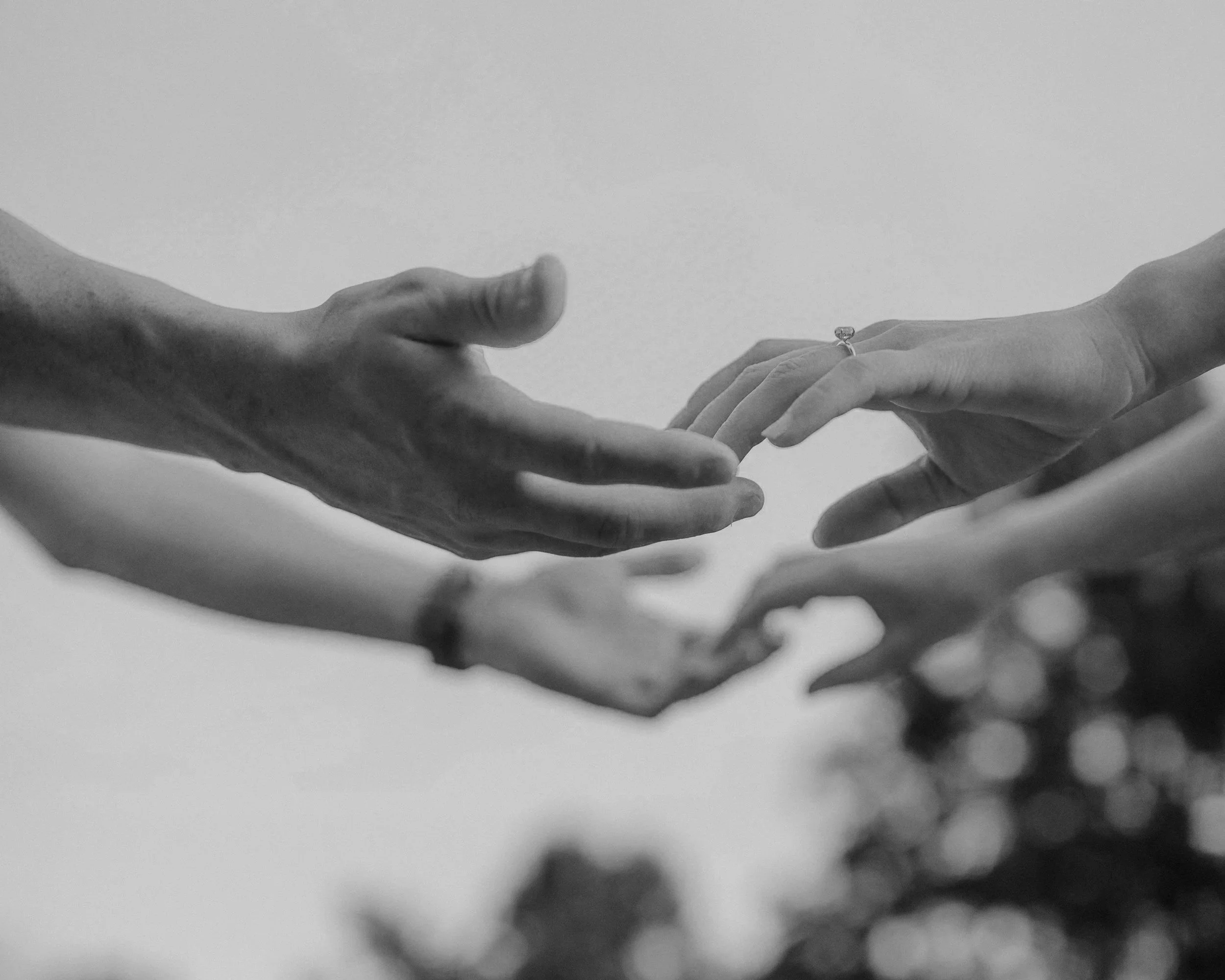
What Co-Regulation Actually Is (Before It Got Sanitized)
Co-regulation is the nervous system’s original operating system.
It’s the way a baby calms when held.
The way your shoulders drop when someone you trust walks into the room.
The way laughter spreads faster than panic.
The way grief becomes survivable when someone sits beside you and doesn’t try to fix it.
Your vagus nerve - the great wandering nerve - doesn’t respond best to affirmations.
It responds to tone of voice, eye contact, proximity, rhythm, shared breath.
Translation:
Your body listens more closely to other bodies than to your inner monologue.
This isn’t weakness. It’s mammalian intelligence.
How We Forgot (And Who Benefited)
Capitalism loves a self-regulating individual.
It’s cleaner. Quieter. Easier to manage.
If connection becomes a luxury, people will try to regulate themselves through consumption instead:
Food
Alcohol
Doom scrolling
Productivity
Spiritual bypassing dressed up as “high vibration”
We pathologized the need for others and renamed it “dependency.”
We romanticized independence until it curdled into isolation.
We told people to “self-soothe” without ever teaching them how to be soothed by another human.
Then we wondered why everyone feels lonely, fried, and quietly feral in all the wrong ways.
Co-Regulation Is Not Codependency
Co-regulation is mutual, not enmeshed.
It doesn’t mean outsourcing your emotions or demanding someone save you.
It means:
Letting your nervous system borrow safety from another
Offering your regulated presence when you have it
Understanding that stability is relational, not moral
Codependency says: I can’t exist without you.
Co-regulation says: We stabilize each other, then we both stand stronger.
Big difference.
What Co-Regulation Looks Like in the Wild
It’s rarely dramatic. It’s ordinary. Sacredly so.
Sitting on the floor together when words won’t come
Making eye contact without rushing to fill the silence
Matching breath without announcing it
Being witnessed without being analyzed
Letting someone see you mid-mess, not post-healing glow-up
It’s not about fixing emotions.
It’s about staying present long enough for the storm to pass.
Regulation follows presence. Always has.
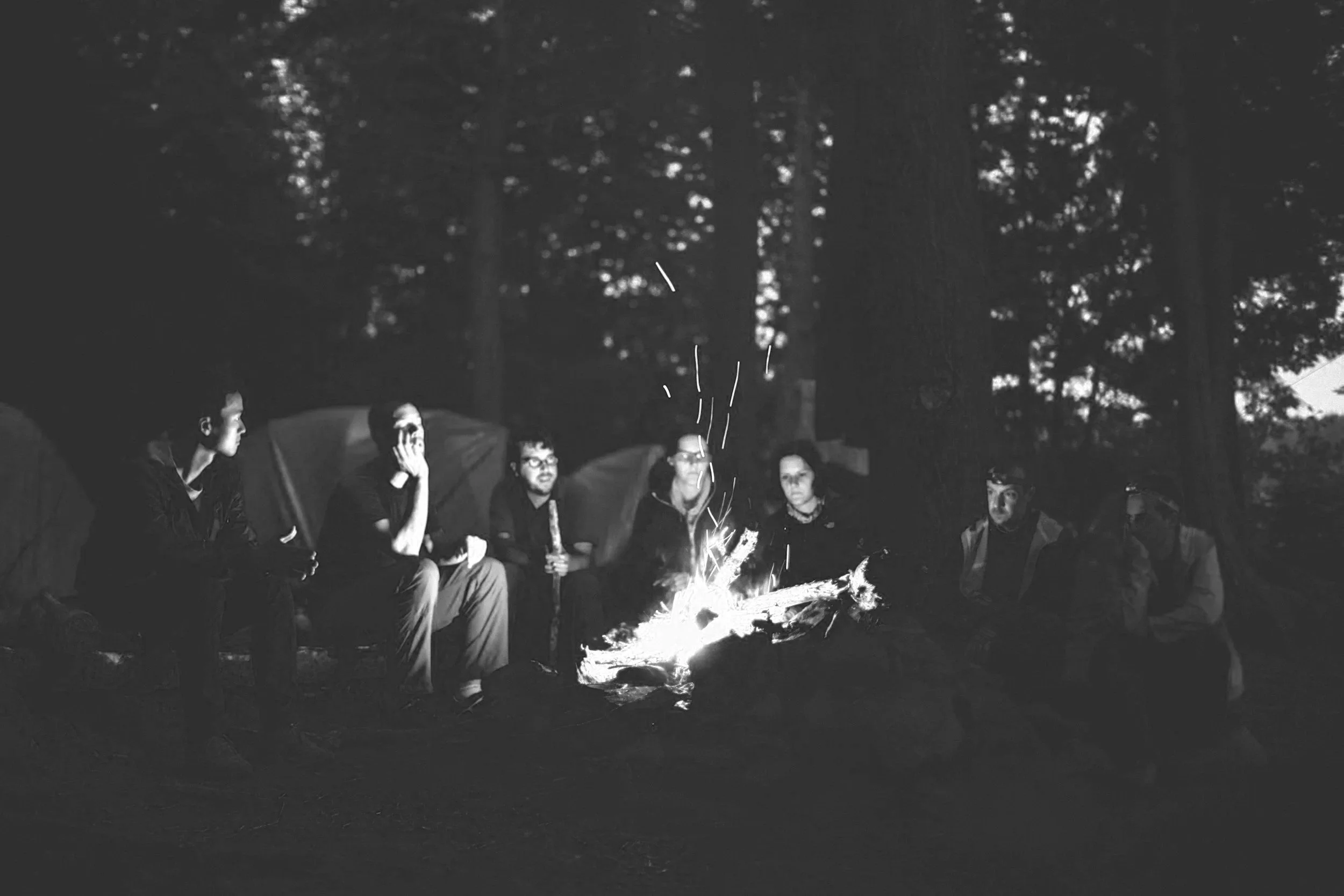
Why FERAL Cares So Damn Much
Because rewilding isn’t about becoming untouchable.
It’s about remembering that humans are a social species pretending not to be.
You don’t need to be more resilient.
You don’t need to be more disciplined.
You don’t need to heal faster, quieter, or prettier.
You need safe enough people, shared nervous systems, and permission to lean without shame.
Togetherness is not a luxury.
It’s ancient technology we were never meant to uninstall.
A FERAL Invitation
Who regulates you - without trying to control you?
Who can sit with your dysregulation without panicking, fixing, or fleeing?
And just as important: Who do you offer that presence to?
Start there.
Not with another app.
Not with another performance of independence.
With breath.
With bodies.
With togetherness.
The wild was never meant to be survived alone.
If co-regulation stirred something in you, it’s because your body already knows this truth: stability isn’t built in isolation - it’s borrowed, shared, and practiced together.
If what you’re craving is belonging beyond biology and bloodlines, read next: Kinship Beyond Blood - An exploration of chosen family, relational safety, and why the people who steady us are often the ones we find, not inherit. Because survival has always been a collective act.