Information Overload: The Modern Brain in Crisis
(Why Your Mind Feels Like It’s Being Shaken in a Can)
Before the scroll.
Before the ping.
Before your attention became a public utility mined for profit.
Your brain was not meant to metabolize this much everything.
Not this many voices.
Not this many emergencies.
Not this many opinions disguised as facts, facts disguised as outrage, outrage disguised as identity.
The modern mind is not failing. It’s being overfed.
And like any creature force-fed past its limits, it’s starting to break.
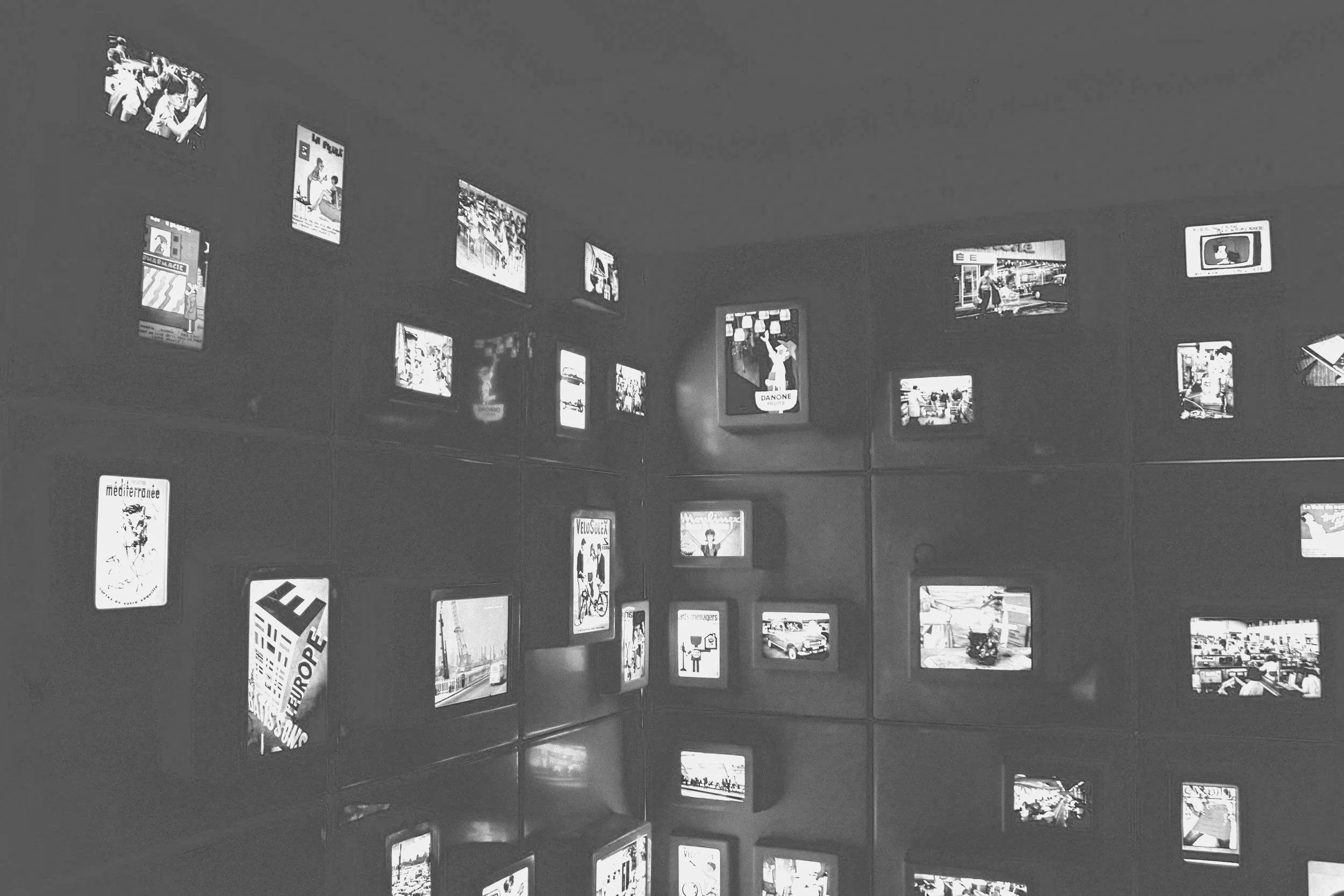
The Cognitive Cost We Pretend Isn’t Real
We like to frame burnout as a personal flaw.
A lack of discipline.
A failure to “manage time better.”
But what we’re actually drowning in is input without digestion.
Your nervous system evolved to track:
weather patterns
predators
kin
fire
the subtle shifts in a face across the firelight
It did not evolve to process:
400 headlines before breakfast
strangers’ trauma while brushing your teeth
algorithmic emotional whiplash every six seconds
the sense that everything matters equally and urgently
So your brain does what any overwhelmed organism does: It goes numb.It fragments. It dissociates under the polite name of “multitasking.”
You’re not scattered because you’re weak. You’re scattered because you’re under siege.
Attention Is a Biological Resource, Not a Moral One
Capitalism tells you attention is infinite—
that you can always give more, consume more, stay informed, stay reachable, stay on.
Biology disagrees.
Attention is:
finite
rhythmic
deeply tied to the body
Every notification pulls a thread from the same limited loom.
Every context switch taxes glucose, hormones, neural bandwidth.
This is why you feel tired after “doing nothing.”
This is why rest doesn’t land.
This is why silence now feels almost… threatening.
Your mind has forgotten how to widen.
Ritual: The Lost Technology of Mental Spaciousness
Before productivity hacks, there was ritual.
Ritual wasn’t aesthetic.
It was neurological infrastructure.
Ritual told the brain:
This matters <— —> This doesn’t. This is a threshold.
Morning rituals narrowed attention.
Evening rituals released it.
Seasonal rituals gave the mind permission to change states without explanation.
Now we wake up to chaos and fall asleep to more of it.
No thresholds. No edges. No meaning markers.
Reclaiming ritual doesn’t mean incense and chanting—unless you want that.
It means patterning your attention with intention.
Lighting a candle before writing.
Touching the ground before checking a screen.
Eating without input, just once a day.
Closing the laptop with a gesture, not a collapse.
Small acts. Big nervous system signal.
Attention Hygiene: Stop Letting Everything In
You wouldn’t drink from a river downstream of a factory and call it “self-care.”
Yet we let our minds sip endlessly from polluted feeds.
Attention hygiene is not about deprivation. It’s about selectivity.
Ask yourself:
Who gets access to my nervous system?
What deserves my first hour of consciousness?
What am I consuming that leaves me contracted instead of expanded?
Curate ruthlessly.
Unfollow generously.
Mute without apology.
You are allowed to be uninformed about things that do not touch your life, your land, your people.
Ignorance isn’t the threat. Overstimulation is.
Sensory Simplicity: Feed the Animal First
Your brain rides in a body.
And the body understands things the mind has forgotten.
Stillness.
Texture.
Repetition.
Natural light.
Silence that isn’t empty—just uncolonized.
Sensory simplicity is not asceticism.
It’s nourishment.
Bare feet on the floor.
One song, not ten.
Real food eaten slowly.
Hands in dirt, water, dough.
When the senses are fed cleanly, the mind softens.
When the mind softens, insight returns.
When insight returns, urgency loosens its grip.
The Rewilding of the Mind
This is not about going off-grid. It’s about coming back online in a different way.
A way where:
your attention is sovereign
your thoughts have room to finish
your inner life isn’t constantly interrupted by someone else’s agenda
Mental spaciousness is a luxury. It’s a survival skill.
Because a crowded mind is easy to control.
But a quiet one?
A grounded one?
A mind that knows how to rest?
That’s dangerous—in the best way.
And the system knows it.
So protect your attention like habitat.
Defend your silence like territory.
And remember: The mind is not meant to be fed endlessly. It is meant to roam.
If this landed in your body - not just your brain - you may be ready for deeper work.
Read next: Regulating the Storm: Nervous System Literacy in a Disregulated World to explore nervous system regulation not as self-improvement, but as reclamation.