Stillness as Medicine: The Art of Doing Nothing
The Lie of Constant Motion
We’ve been conditioned to believe that stillness is laziness. That pausing means falling behind. That if you’re not producing, achieving, optimizing, or performing, you’re wasting time.
The culture wants you in motion because motion is profitable. A still mind doesn’t buy. A rested body doesn’t cling. A regulated nervous system doesn’t confuse urgency with meaning.
So we learn to fear the quiet. We learn to fear ourselves.
But beneath the noise, the scroll, the hyperventilating pace of the world — your body is whispering a much older truth:
You don’t heal through effort. You heal through allowing.
Stillness is not the absence of life — it’s the return to it.
Doing Nothing Isn’t Nothing
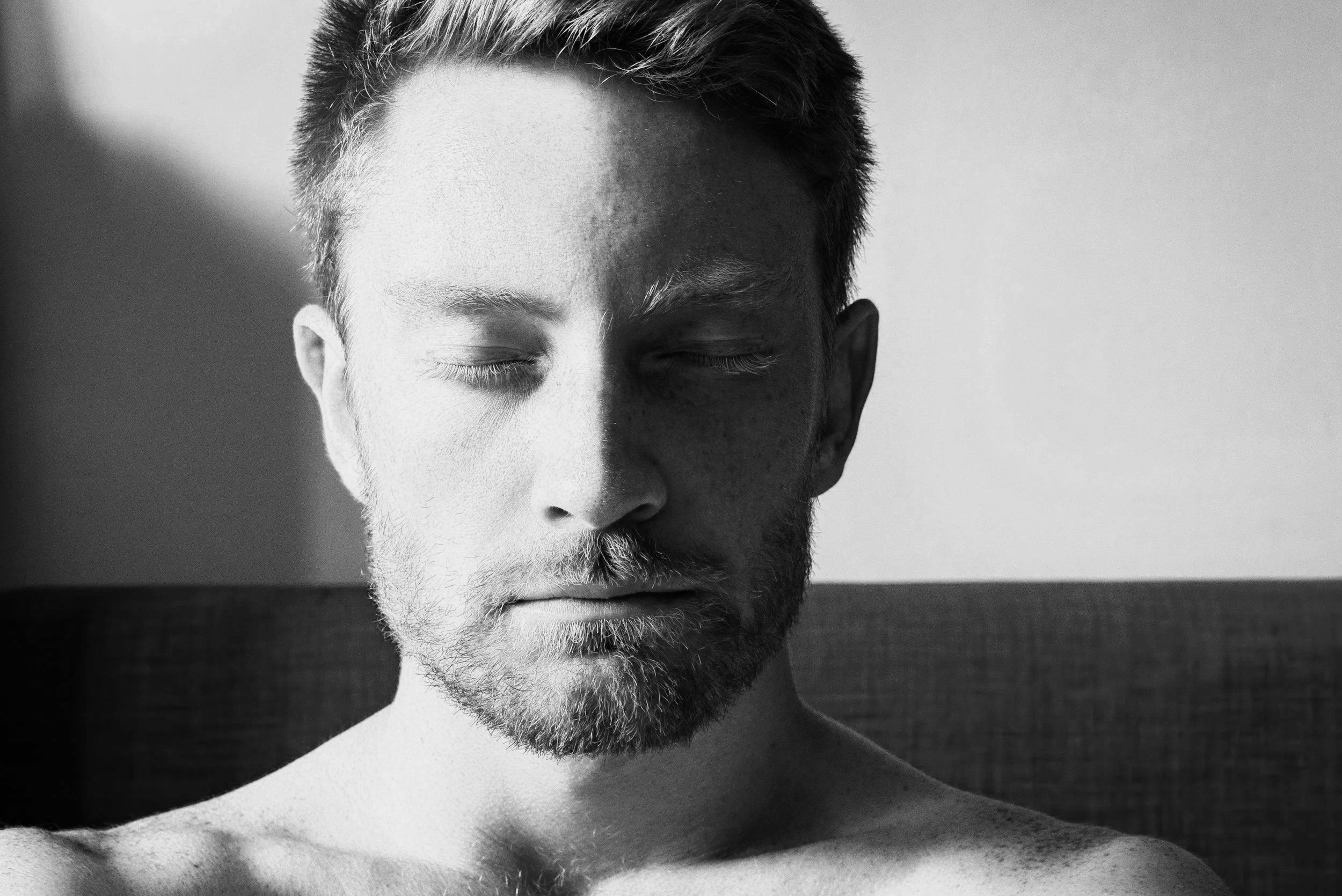
Doing nothing is not “not doing.” It is its own kind of intelligence. To modern culture, stillness looks like idleness. To the nervous system, stillness is nourishment.
When we stop:
Cortisol drops.
The vagus nerve softens.
The psyche unclenches.
The body finally exhales.
We pretend productivity is power, but rest is what actually rewires us.
Stillness is the composting phase of the psyche. It’s the wintering that makes spring possible. It’s the fertile darkness where the next version of you germinates — quietly, invisibly, unapologetically.
When you stop forcing, life finds its own way back in.
The Nervous System Was Never Built for This Pace
Human physiology evolved for pulses of activity followed by long, open stretches of nothing - wandering, tending, sitting, observing, digesting, dreaming. But we’ve trapped ourselves in a loop of: perform → produce → collapse → repeat.
A body in constant activation becomes a body that forgets how to rest. A mind constantly stimulated becomes a mind terrified of silence.
Stillness is not “taking a break” — it’s re-teaching the organism how to exist without threat.
Rewilding Rest
What if rest isn’t a luxury? What if it's a biological necessity?
Rewilding rest means reclaiming practices that Western culture has pathologized:
staring out a window
taking long pauses between tasks
sitting on the floor and breathing like an animal
spending an hour doing absolutely nothing
letting yourself collapse into daydream
lying in the sun like a lizard
doing “unproductive” wandering
allowing thoughts to rise and fall without managing them
This isn’t laziness. This is nervous-system repair. This is soul maintenance. This is the art of being a living creature again.
Stillness is the wild mind’s natural habitat.
What Emerges in the Quiet
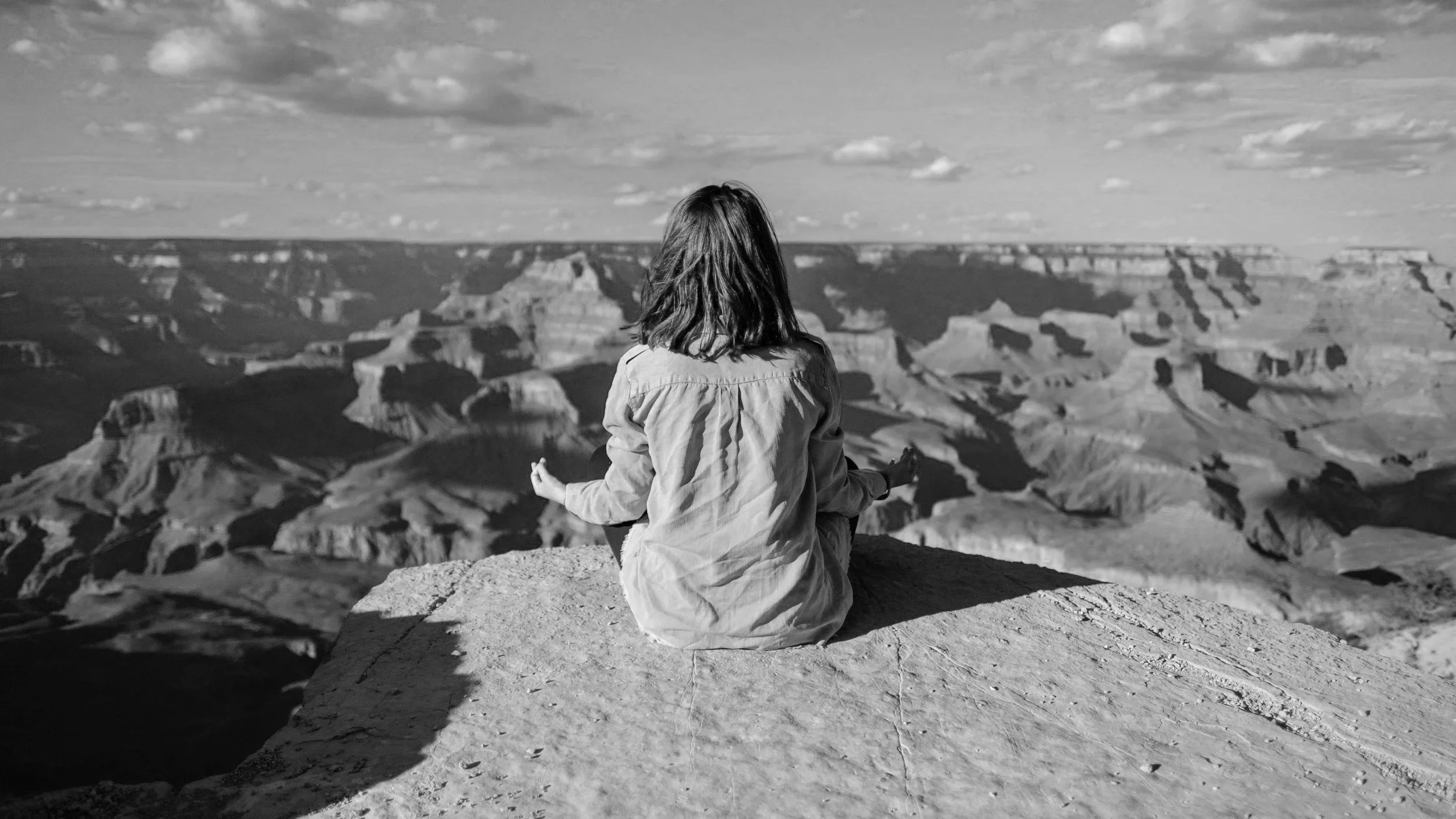
Stillness is uncomfortable at first. It strips away distractions. It unsilences the parts of you you’ve outrun. But if you stay...if you breathe...if you let the sediment settle...clarity rises.
You hear your intuition again. You hear your body’s truth. You hear what you actually want, not what you think you should want.
The Medicine of Doing Nothing
Try it:
Not as a productivity hack.
Not as a self-care ritual.
Not as a way to return to being more efficient.
Do nothing simply to remember what you are beneath the performance. Let yourself be “boring.” Let yourself be “unproductive." Let yourself be human.
Stillness is medicine. It recalibrates you to your own rhythm. It teaches your body that rest is safe. It reminds your psyche that you don’t have to earn your place in the world.
Doing nothing is how you return to yourself.
If stillness is medicine, then “balance” is the illusion that keeps us from ever tasting it. Dive deeper into why the culture’s obsession with perfect equilibrium is a trap and how to reclaim a more instinctive, honest way of living.
Read: The Balance Myth — Why You Were Never Meant to Live Evenly