Convenience Is Killing Us: How Ease Has Become Anesthesia
We were told that convenience would save us time, simplify our lives, free us to do more of what we love. But look around: we have never been more rushed, more numbed, more disconnected from our own bodies and from the living world we depend on.
Convenience was supposed to liberate us. Instead, it has domesticated us. It’s seductive, of course—this modern promise that anything uncomfortable, slow, or effortful can be engineered out of existence. Meals delivered. Groceries waiting. Cars summoned. Answers provided instantly, meaning extracted for us. We live inside an ecosystem of shortcuts. But shortcuts always have a cost.
Every time we outsource effort, we outsource a piece of ourselves. The muscles that atrophy aren’t just physical—they’re psychological, emotional, relational, ecological.
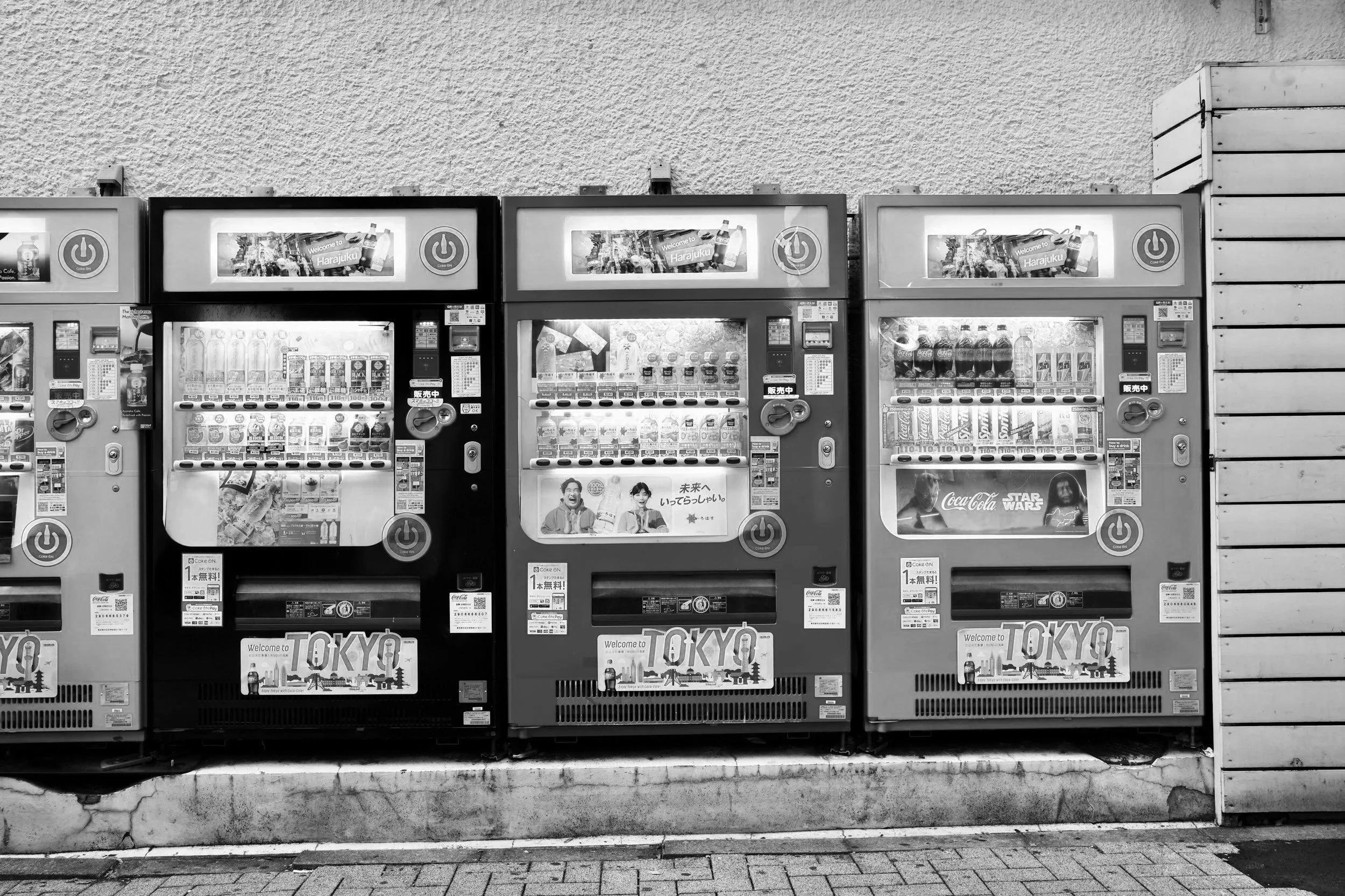
The Hidden Violence of Convenience
The easy life is never actually easy. It’s just easy for us.
Behind every shortcut lies someone else’s labor, exhaustion, or exploitation:
A gig worker rushing through traffic so you don’t have to carry groceries.
A farmer pushed to produce more, faster, cheaper, draining the soil until nothing remains.
A factory worker stitching through the night to make your $12 shirt.
An entire planet absorbing the externalized costs of our convenience — forests cleared, oceans filled with plastic, rivers poisoned with dyes, air choked with smoke.
Convenience doesn’t remove effort. It just hides it. It displaces the burden outward — onto people with less power, onto ecosystems with no voice, onto future generations who will inherit our waste.
When everything appears effortless, we stop being curious about where things come from and what it costs to get them to us. We stop being accountable. We stop being in relationship. And relationship is the antidote to destruction.
The Cost to Our Bodies and Minds
Convenience is not only extracting from the Earth — it’s extracting from us.
We’ve become a culture of people who look “comfortable” but feel deeply unwell.
Our bodies are starving for effort.
Movement used to be built into daily life. Now it must be scheduled — our bodies treated like appliances that need occasional maintenance. This is not how humans were designed to live.
Our senses are dulled.
We rarely smell fresh soil, hear the crackle of a fire, feel the weight of raw ingredients, or experience weather without insulation. We’ve forgotten the textures of living.
Our attention is fractured.
When information and entertainment arrive instantly, we lose the ability to dwell, wonder, contemplate, or imagine. Convenience rewires the mind toward impatience and passive consumption.
Our resilience erodes.
When nothing requires effort, we become fragile. We lose our capacity to tolerate discomfort, uncertainty, or complexity.
Convenience makes life smoother, but it also makes us weaker.

The Wild Alternative: Choosing the Beautiful Inconvenient
Reclaiming inconvenience is not about nostalgia or purity. It’s about remembering we are human. It’s about leaning back into the primal truth that effort, texture, slowness, and challenge are what make life rich and meaningful.
To choose inconvenience is to choose participation:
Cook the meal from scratch
Repair instead of replace
Walk instead of rush
Grow something slowly
Learn the unglamorous skill
Sit in silence with nothing to distract you
Let things take the time they actually take
These acts are not regressive. They are revolutionary. They rebuild the internal muscles convenience culture has dissolved. They rewild the psyche. They restore intimacy with the world. They remind the body that it is alive, capable, responsive, and part of something larger than itself.
This is not about rejecting technology or rejecting comfort. It’s about refusing to be anesthetized. It’s about choosing a life that is vivid rather than efficient. A life that requires something of you. A life that leaves room for meaning.
If this piece stirred something in you—if you feel the ache for community, for shared labor, for the human-scale life that convenience has dissolved—continue the journey with: Remembering the Village - A call to rebuild the communal structures that once held us—because we were never meant to survive modernity alone.