Remembering the Village: Healing Through Community
Modern life teaches independence as strength, self-sufficiency as virtue. But in the quiet corners of the heart, many of us carry a gnawing emptiness — a longing for the village we never had, or have forgotten.
Humans are social animals. Our nervous systems, our psyches, our bodies — all evolved in networks, webs, and tribes. We are designed to belong, to be witnessed, to heal together. Yet the culture of isolation has left us overworked, overstimulated, and undernourished in the ways that truly matter.
The Village as Nervous System
In the human brain, connection isn’t optional — it’s survival. Polyvagal theory tells us that safety and social engagement are intertwined: when we feel seen, heard, and understood, the nervous system can rest, repair, and thrive. Loneliness, by contrast, triggers threat responses, inflammation, and chronic stress.
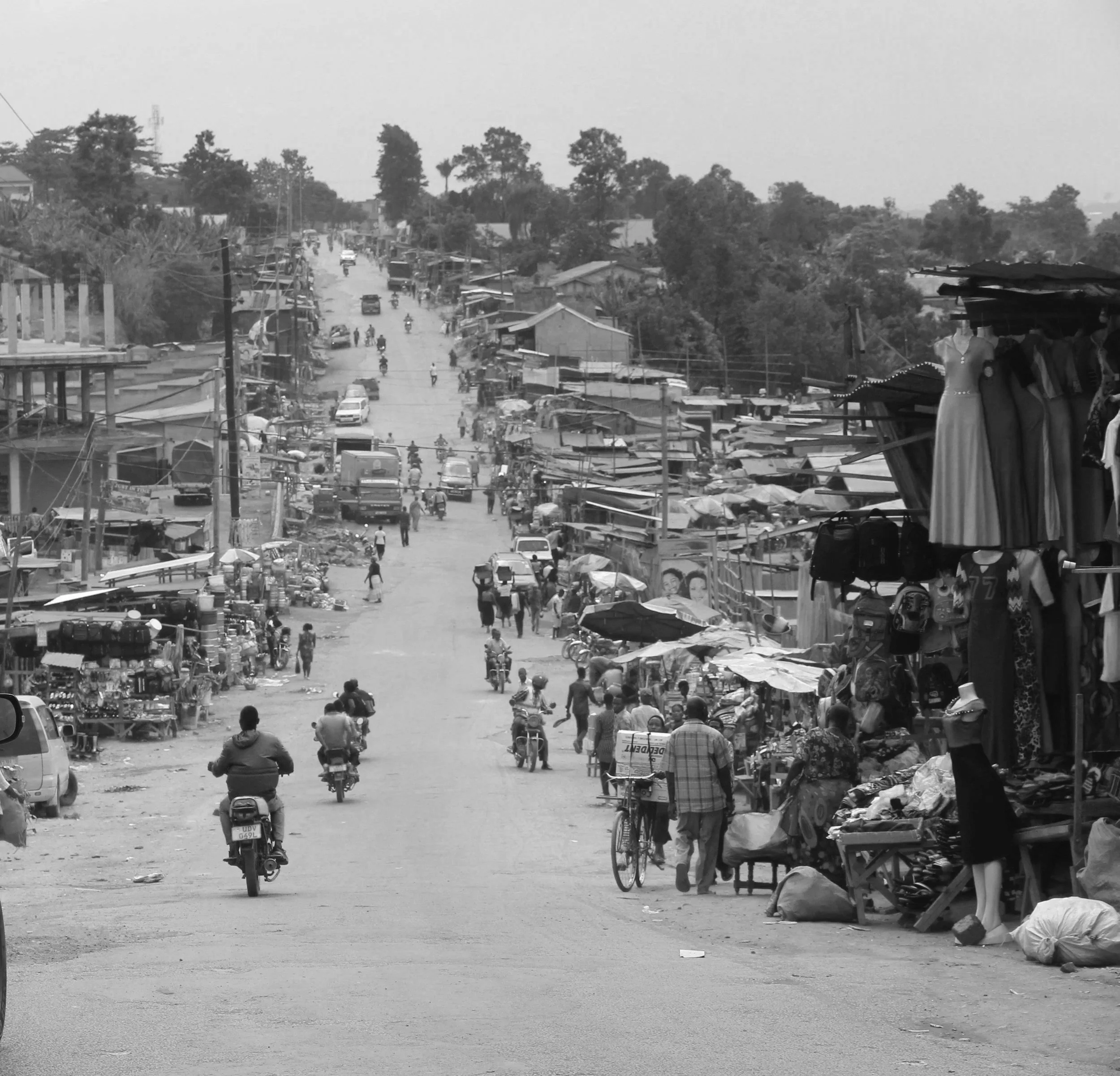
Our ancestors knew this instinctively. Daily life in a village meant shared childcare, shared labor, and shared grief. Rituals marked births, deaths, and transitions — collective acknowledgment of life’s cycles. Modern life has fragmented these practices, leaving many of us “orphaned” in the middle of abundance.
The Healing Power of Community
Connection is medicine. Not just metaphorically, but biologically.
Shared care: When someone tends to you, whether by listening, feeding you, or offering guidance, your body produces oxytocin, lowering cortisol and calming the nervous system.
Collective wisdom: Problems become lighter when held by many minds. Perspective and insight flourish in conversation, debate, and storytelling.
Ritual and rhythm: Community creates predictable patterns — meals together, seasonal celebrations, weekly gatherings — that stabilize our internal clocks and emotional cycles.
A village isn’t just physical. It’s emotional, spiritual, and ecological. It can be chosen, built, and tended, even in modern cities.
Rewilding Community in Modern Life
How do we remember the village in an era of screens, deadlines, and solitary apartments?
Gather for ritual.
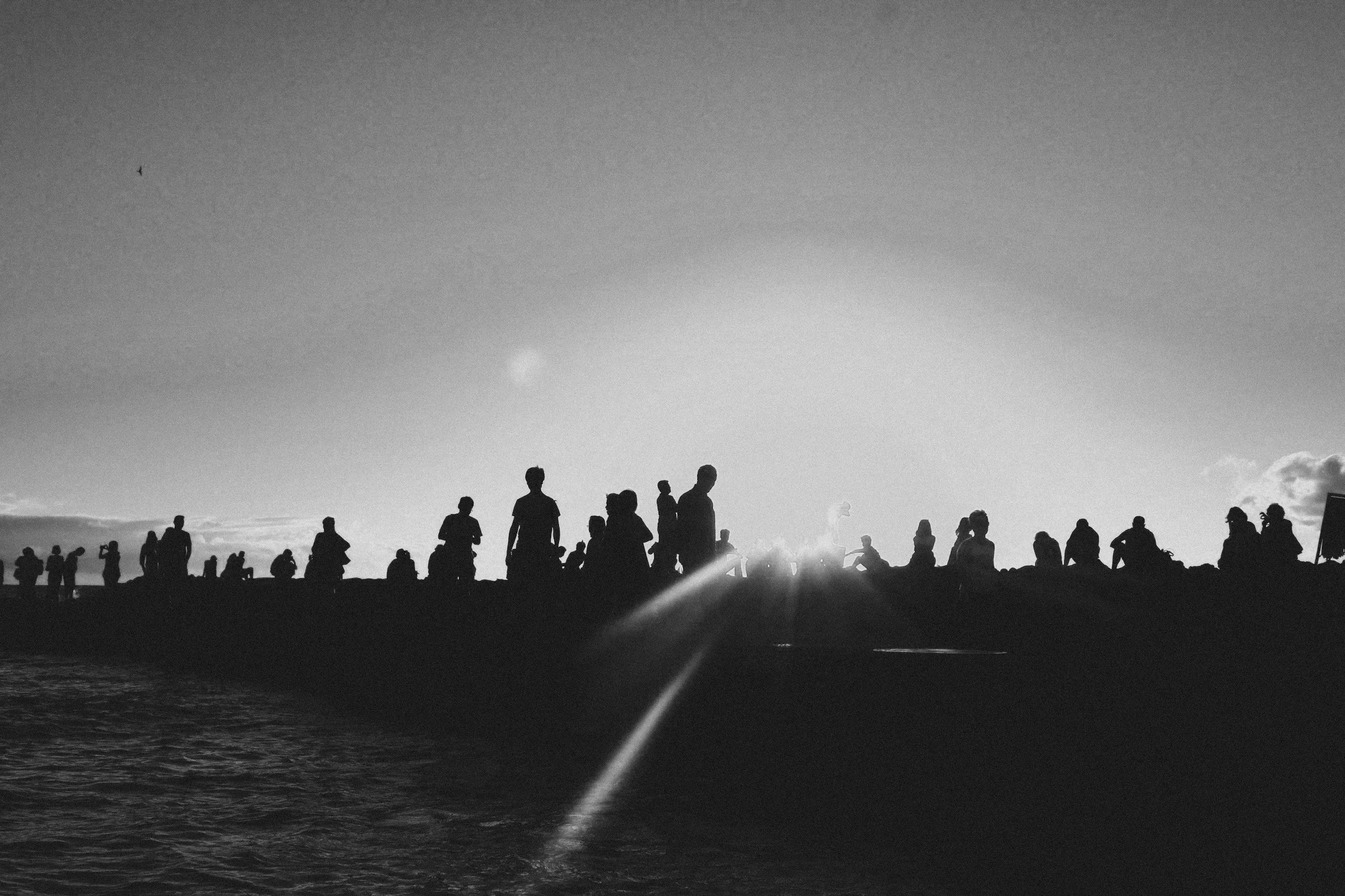
Even small, consistent gatherings — a weekly meal, a circle of friends, or a shared meditation — anchor your nervous system in belonging.Share labor.
Cooking, gardening, cleaning, or creative work becomes sacred when done together. Mutual contribution restores dignity and reciprocity.Storytelling and witness.
Tell your truth, listen deeply, hold space. Vulnerability is the heartbeat of the village.Celebrate transitions.
A promotion, a loss, a new chapter — mark it together. Community gives context to your journey.Local ecological engagement.
Tending land, animals, or local ecosystems alongside others strengthens connection to life itself — the ultimate village.
Why the Village Matters
We cannot fully thrive in isolation. Even the strongest, most independent among us carry ancestral memories of interdependence. Healing happens not alone, but in the shared field of presence and care.
The village isn’t a nostalgic idea — it’s a practice. It’s the way we reclaim humanity in a fragmented world. It’s where bodies relax, hearts open, and minds expand. It’s the ecosystem in which humans are meant to grow.
Connection is Calling
Want to remember what it feels like to move in sync — with yourself, others, and the Earth?
Read next: Modern Life vs. Ancestral Rhythms: How We Lost Our Natural Flow and How to Rewild.