Modern Life vs. Ancestral Rhythms: How We Lost Our Natural Flow and How to Rewild
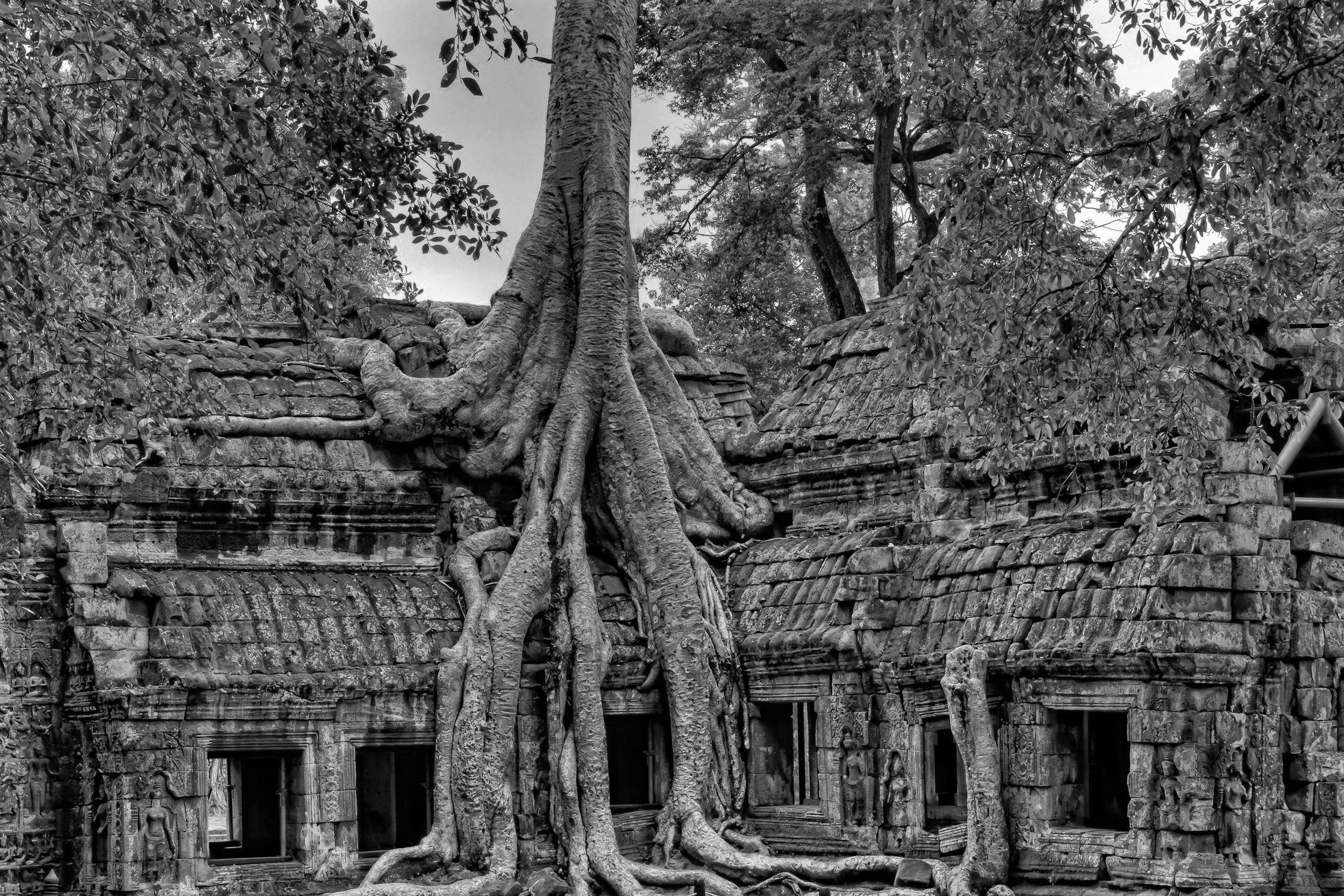
We weren’t meant to live this way.
Fluorescent lights. Processed food. Blue screens long after sunset. The endless hum of productivity that never lets us exhale.
Somewhere along the line, we forgot that we’re animals — creatures of sunrise and moonlight, of hunger and rest, of rhythm and pause. We’ve traded the organic tempo of life for the ticking of the clock.
But our bones still remember the beat.
The Body Remembers
Even if your mind has adapted to this modern tempo, your body hasn’t. Deep within your cells, there’s an ancient intelligence — a biological memory — still tuned to the cycles of nature. Your body knows when it’s time to rise and move. It knows when to slow down, when to sleep, when to eat, when to play. It’s only our cultural conditioning that’s taught us to override those signals in the name of “productivity.”
But here’s the truth: you are nature. Not separate from it. Not above it. Not meant to conquer it.
When you fight the natural rhythm, you fight yourself.
Ancestral Rhythms Were Simpler — But They Were Sacred
Our ancestors didn’t need sleep aids or planners to structure their days. Their bodies synced to sunlight and moonlight, to harvests and migration patterns. They gathered around firelight, ate whole foods grown in living soil, and rested when winter came.
There was a rhythm — not just in the external world, but in the way they lived within it. Each part of the cycle mattered: movement and rest, expansion and contraction, creation and decay. They honored both the doing and the being.
The Rhythm That Built Us
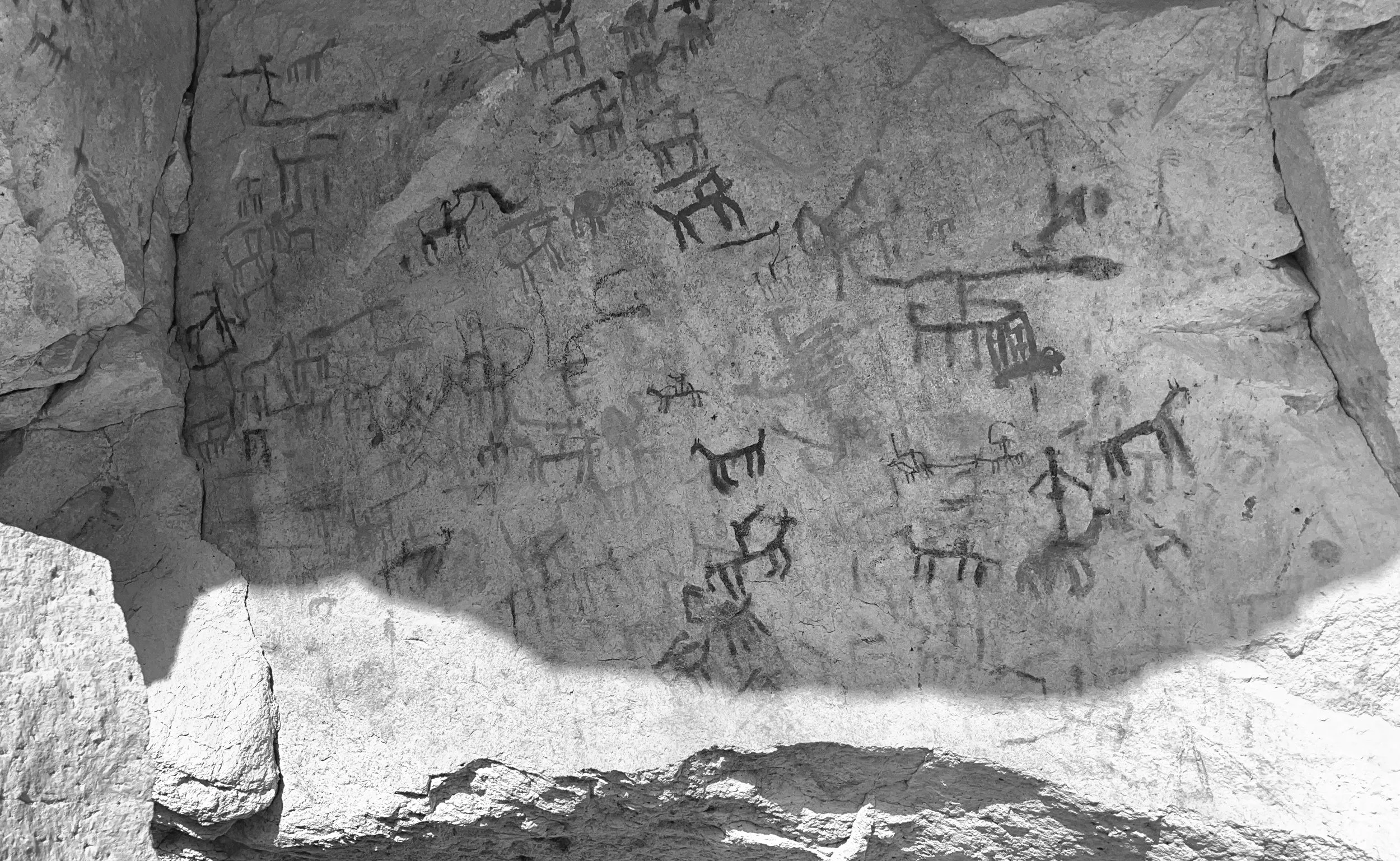
If you trace human history backward, you’ll see that most of our existence was spent in sync with nature — not apart from it.
200,000+ years ago: Early humans (our primal ancestors)
Before we had words, calendars, or clocks, we had rhythm. Early humans rose with dawn, foraged, hunted, and rested with dusk. Firelight was our evening screen. Our pulse beat with the sound of rainfall, bird calls, and the crackle of wood.
Life was uncertain — but it was aligned. We lived in cycles: sleep, eat, move, rest. There was no “9 to 5,” only light and dark.
10,000 years ago: The Agricultural Revolution
Farming changed everything. We learned to control the land — to plant, harvest, and store. Communities grew, and so did labor. The rhythm of the seasons still guided us, but structure crept in. The first “schedules” were born: plant in spring, harvest in fall, rest in winter.
Still, our feet touched soil. Our hands worked with the earth, not against it.
2,000 years ago: Ancient civilizations
From Egypt to Greece, Rome to China, humans began building cities. Architecture, trade, and politics replaced foraging and wandering. We created order — but we also created hierarchy.
Even then, though, life was cyclical: the rhythm of the market, the rising of the Nile, the lunar calendars of rituals and harvests. People worshiped the sun, the moon, and the fertility of the Earth. The divine still lived in the dirt.
500 years ago: The Age of Industry begins to whisper
As exploration expanded, so did extraction. Empires were built on resource control, and humans began to see themselves as separate — superior — to nature. The rhythm quickened. Time became currency.
200 years ago: The Industrial Revolution
The heartbeat of the Earth was drowned out by machines. Factories replaced fields. The clock became the new god. People no longer rose with the sun — they rose with the whistle. Days extended into nights under artificial light. Rest became laziness. Productivity became virtue.
This was the first great disconnection.
100 years ago: The Technological Age
Electricity, cars, cities, screens. We stopped walking, stopped gathering food, stopped sitting under the stars. We could now live a lifetime without ever touching the soil.
Sleep shortened, anxiety rose, and disease became chronic. The rhythm of life was no longer in our bodies — it was in our devices.
Now: The Digital Era
We are the most “connected” generation in history — and the most disconnected from ourselves. Our rhythms are artificial: blue light at midnight, coffee at dawn, dopamine from pixels. We live on fast food, fast fashion, fast everything.
But our biology hasn’t evolved at the same speed. Your nervous system still believes you live in the forest. Your hormones still follow the sun. Your body still craves the wild — the unfiltered air, the unprocessed food, the unpredictable rhythm of weather and season.
Even the gorillas, our close cousins, still live by rhythm — they wake with light, forage by day, and rest as dusk falls. They eat in tune with their ecosystem. They don’t count calories or track steps. They are what we’ve forgotten how to be: natural.
The Cost of Disconnection
When we ignore our ancestral rhythms, we don’t just lose balance — we lose meaning. We become burnt out, anxious, and chronically overstimulated. Our hormones, digestion, sleep, and creativity all suffer.
Modern wellness tells us to “optimize” — but the cure isn’t more control. It’s surrender. To remember what your body already knows: rhythm heals.
Rewilding the Rhythm
To live in alignment today doesn’t mean abandoning modern life. It means remembering that you are a creature of the Earth — and letting your lifestyle reflect that truth.
Start small:
Honor the light. Try rising without an alarm. Let sunlight be your first signal. Turn off screens after sunset; let your body wind down with the sky.
Eat seasonally. Nature provides what your body needs each season — root vegetables in winter, hydration in summer. Choose real, seasonal food — the kind with dirt still clinging to it.Move cyclically. Exercise when your energy peaks; rest when your body calls for it.
Honor your hormones. Your menstrual cycle, circadian rhythm, or energy waves aren’t problems to fix — they’re guides.
Create rituals of rest. Dusk isn’t just the end of the day; it’s an invitation to slow down. Schedule downtime as sacred, not optional.
This is how we begin to rewild our rhythm — by letting our days be shaped by nature’s tempo, not society’s.
The Return
We can’t undo the industrial world. But we can reawaken the animal inside it. Because beneath the concrete and Wi-Fi, your wildness is still alive — breathing, waiting, whispering for you to come home.
Reconnection is not regression. It’s evolution.
It’s remembering that every beat of your heart echoes something far older than civilization — the rhythm of the Earth itself.
Join the rebellion back to rhythm.
→ [Subscribe to The FERAL Journal]