The Economics of Wellness: Who Profits from Your Insecurity?
The wellness industry wants you to feel almost healed. Not broken enough to give up, but not whole enough to stop buying. It’s an economy of insecurity — one that thrives on the subtle suggestion that you’re never quite enough, never quite clean, calm, toned, or enlightened enough. And it’s worth over $5 trillion globally.
From “clean” beauty to “biohacking” supplements, wellness has become the modern church of consumerism. Instead of confession, we have detoxes. Instead of prayer, we have morning routines. Instead of salvation, we have skincare. Every product is marketed as a portal to a better self, a newer self — one more aligned, aesthetic, and optimized. The irony? Most of these solutions treat the symptoms of modern disconnection, not the root cause: a culture that commodifies our well-being.
The Trauma Economy
Underneath the pastel packaging and self-care slogans is something darker — a system built on psychological exploitation. Wellness marketing taps into the trauma loops that shape our sense of worth. The more dysregulated your nervous system, the easier you are to sell to. If you’re running on cortisol and dopamine spikes, every “before and after” promise hits like a microdose of hope.
Capitalism learned to monetize trauma long ago, but the wellness sector perfected it. Where pharmaceuticals once sold relief, wellness sells identity. The industry doesn’t just profit from your stress — it manufactures it through scarcity, comparison, and the illusion of control. The result is a dopamine-driven cycle of seeking: a ritual of consumption disguised as healing.
The Illusion of “Holistic”
True holistic health is rooted in interdependence — community, land, rhythm, rest. But the mainstream wellness model has replaced collective wisdom with curated individualism. You, alone, are responsible for your healing. You, alone, must find balance while juggling an economic system designed to exhaust you.
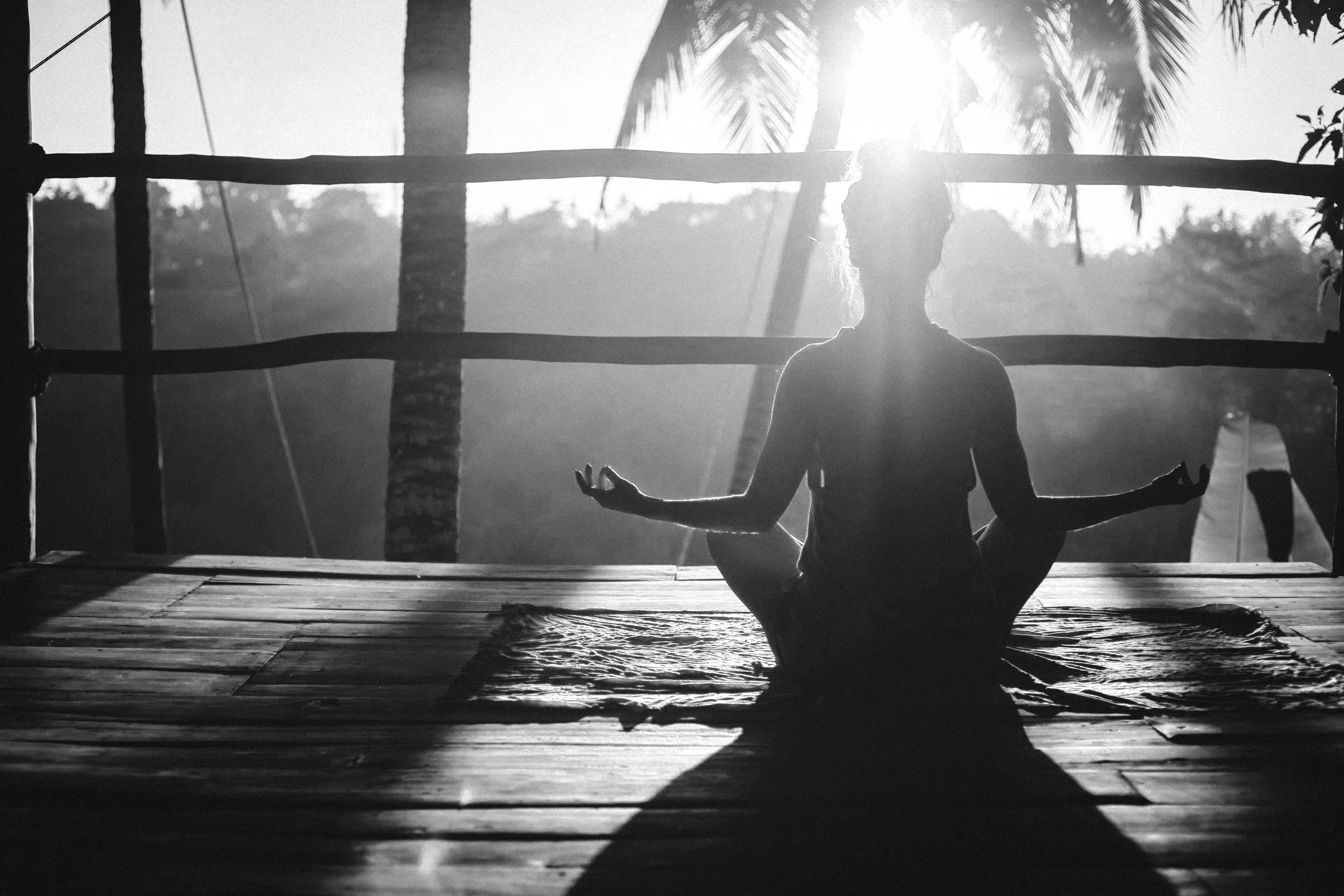
Even “natural” wellness has been colonized — ancient herbalism and Indigenous healing practices stripped of context, rebranded, and sold back to us at a markup. Yoga studios and cacao ceremonies now serve the same function as shopping malls once did: spiritual consumer spaces that let people buy a sense of belonging.
Nervous Systems Don’t Heal in Capitalism
A nervous system can’t regulate when it’s constantly under financial or social pressure. Yet, the wellness industry rarely acknowledges this truth — because it depends on your dysregulation. Healing, in this paradigm, is a lifestyle subscription, not a liberation.
We’re taught to chase personal optimization rather than collective care. But regulation is relational — it happens when we feel safe, connected, and seen. It’s not something you can purchase in a bottle or measure with a biometric tracker.
Reclaiming Sovereignty
The antidote to wellness capitalism isn’t more self-improvement — it’s self-sovereignty. Learning to trust your body’s cues instead of the influencer’s checklist. Building community-based healing networks that prioritize accessibility over aesthetics. Supporting local herbalists, farmers, and practitioners who practice reciprocity rather than extraction.
Rewilding wellness means remembering that your body is not a brand. You don’t need to be “optimized.” You need rhythm, rest, and relationship — with yourself, with others, with the earth.
Take Back Your Wellness
Ready to go deeper into the truth behind the wellness machine?
Read next: Why the Wellness Industry Is Broken — and uncover how commercialization turned healing into hustle.