Ecological Grief: Mourning the Earth as a Path to Healing

When the Earth Hurts, We Hurt
There’s a quiet ache beneath the surface of modern life — a grief many can’t name. It rises when we see a forest reduced to stumps, when the summer heat feels wrong, when birds vanish from familiar skies. It’s not “eco-anxiety,” though that’s part of it. It’s love, in mourning.
This is ecological grief — the sorrow that comes when we finally allow ourselves to feel the pain of a dying world.
For too long, we’ve been told to numb out. To distract, to optimize, to move on. But grief, in its wild intelligence, insists we pause. It cracks us open to the truth of interconnection — the knowing that the Earth’s suffering is our own.
The Sacred Emotion We Were Taught to Suppress
Grief is not a malfunction of the human spirit; it is its proof. In traditional and Indigenous cultures, mourning was communal, sacred, and necessary. When a member of the ecosystem died — be it human, animal, or river — the community grieved together, recognizing the web that binds all life.
Modern culture pathologizes that grief. We call it “doomism,” “climate anxiety,” or “over-sensitivity.” But what if it’s actually our most honest response? What if our tears are the rain the Earth needs — softening the soil of our hearts so new growth can take root?
The Last 50 Years: The Wound Deepens
The story of the last half-century is one of breathtaking innovation — and devastating cost. Since the 1970s, global deforestation has erased over a billion acres of forest. Plastic has outnumbered fish in parts of the ocean. Oil spills, factory farming, mass extinction, and rising temperatures mark a century of extraction and excess.
And while the harm has been collective, its roots are not shared equally. Fossil fuel giants like ExxonMobil and Shell — aware of their impact for decades — poured billions into misinformation rather than transformation. Industrial agriculture and fast-fashion corporations continue to exploit soil, water, and labor. Governments subsidize destruction under the guise of “growth.”
But grief is not about blame. It’s about truth-telling. We name what’s been lost not to shame, but to awaken. To mourn without turning away.
The Last 50 Years: Seeds of Healing
And yet — alongside the destruction, a quiet revolution is growing. Grassroots movements, visionary science, and sacred activism are rewriting the story.
4ocean has removed millions of pounds of plastic from the seas, transforming waste into wearable reminders of hope.
The Ocean Cleanup, a Dutch non-profit, created autonomous ocean robots that sweep entire gyres of floating trash — a vision once dismissed as impossible.
Animal rights organizations like PETA and Humane Society International have fought for bans on animal testing, fur farming, and cruel entertainment industries worldwide.
Renewable energy has grown faster than any fossil fuel in human history.
Rewilding projects in Europe and North America are restoring wolves, bison, and wetlands — bringing balance back to entire ecosystems.
These are not small wins. They are living proof that love in action changes the world. Every movement, every restoration, every protest and piece of art — they all begin with someone who dared to feel grief and refused to turn it into apathy.
Grief as a Portal, Not a Prison
To feel is not to collapse; it’s to awaken. Ecological grief, when honored, becomes a threshold emotion — a doorway between despair and devotion.
When we allow the sorrow to move through us, something miraculous happens: numbness transforms into care. Hopelessness becomes prayer. Our mourning turns into a vow — not to fix everything, but to belong again.
Grief teaches us humility. It reminds us that we are not separate from the wild we mourn. The death of the coral reef, the vanishing of the bees, the smoke in the air — these are not distant tragedies. They’re messages from our greater body, asking us to remember who we are.
Practices for Sacred Mourning
If ecological grief is love in its most honest form, how do we honor it? Here are ways to mourn what’s been lost and cultivate optimism for what’s still possible:
Witness, then act.
Spend time in nature simply noticing — the trees that still stand, the insects that still hum, the water that still moves. Let gratitude arise before action. Then channel that reverence into something tangible: plant, restore, repair.Join collective care.
Support organizations protecting what you love — from 4ocean and The Ocean Cleanup to local rewilding projects, permaculture gardens, or wildlife rescues. Mourning together becomes momentum.Host or attend an Earth grief circle.
Create a space for shared sorrow. Sing, cry, or meditate with others who feel the same ache. Transformation begins in community.Ritualize remembrance.
Light a candle for lost species. Offer flowers to polluted waters. Mark the solstices and equinoxes as times of reflection on both loss and regeneration.Vote and consume with reverence.
Support climate policy, sustainable design, and ethical business. Refuse convenience that costs the Earth. Every purchase and ballot can be a love letter to the planet.Reimagine the future.
Let grief guide creativity. Write, paint, film, or dream the world you want to live in. Imagination is an ecological act.
The Ecology of the Heart
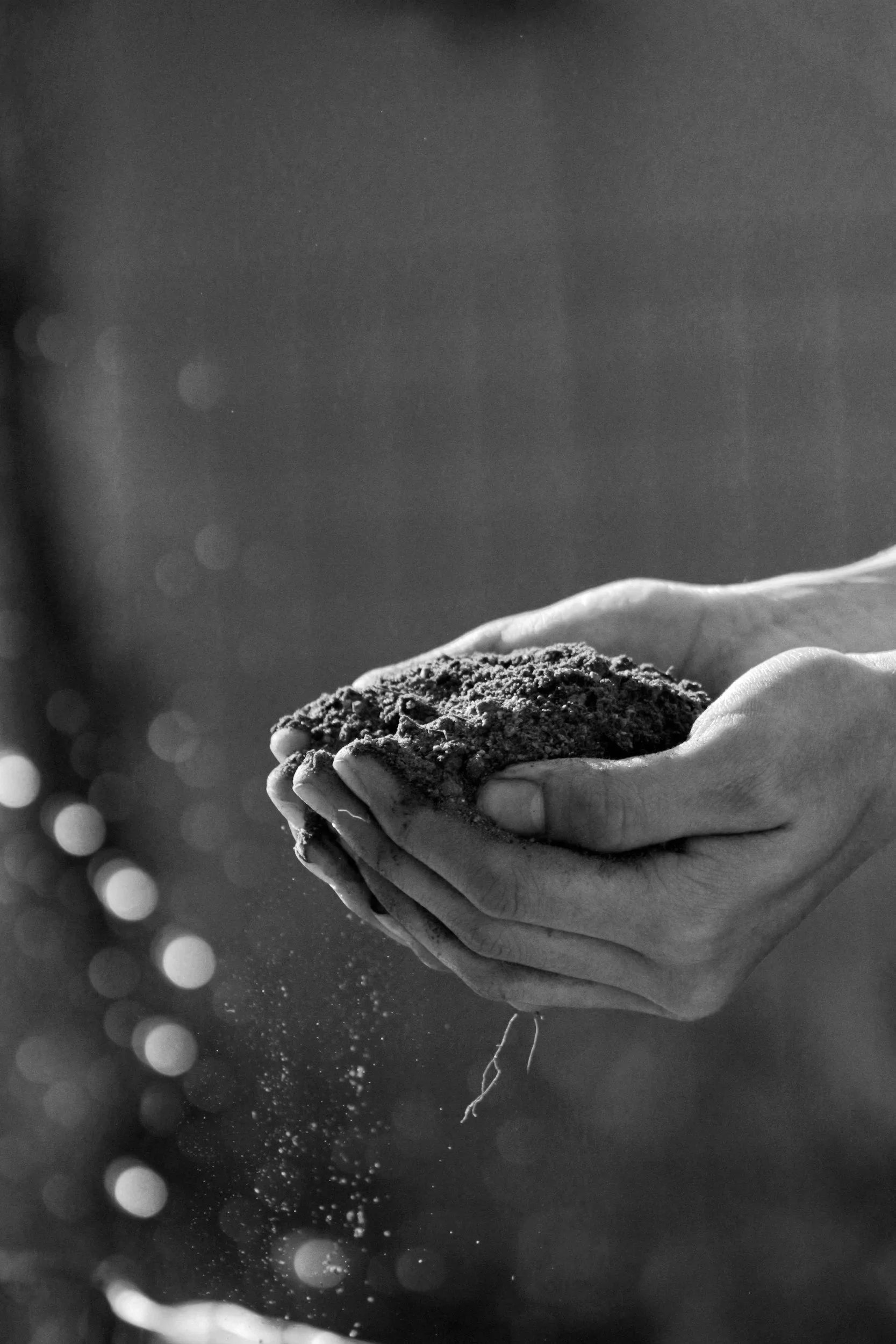
Grief reminds us that healing the planet isn’t separate from healing ourselves. When we repress sorrow, we harden. When we feel it, we soften — and softening is what allows regeneration to begin.
To mourn the Earth is not to despair; it’s to remember that we still care. That we’re still capable of love deep enough to hurt.
In that ache lives our humanity. In that tenderness, our wild responsibility.
So let your heart break open for the world. The Earth doesn’t need our perfection. It needs our participation — and our willingness to feel.
Your grief is holy. Let it teach you how to love the world back to life.
Read next: The Wild Intelligence of Emotion → — how emotions evolved as nature’s way of guiding us home.