The Inner Wilderness: Meeting the Unconscious Mind
There’s a wild terrain inside us — untamed, cyclical, full of creatures we’ve forgotten how to name. It moves beneath reason and daylight, whispering in dreams, pulsing through instinct, surfacing in symbols that refuse to speak the language of logic.
This is the inner wilderness — the unconscious mind.
It is not a void or a problem to fix. It is the forest of our psyche — a living ecosystem that mirrors the outer world: its decay, its regeneration, its endless turning toward transformation.
The Unconscious: Nature’s Mirror Within
Depth psychology — from Jung to Hillman to Marion Woodman — reminds us that the psyche is not a machine but a living organism. It breathes in rhythm with the natural world. Just as forests shed their leaves, the unconscious lets old stories rot into fertile soil. Just as rivers carve stone, our dreams shape us quietly from within.
The unconscious is the soul’s ecology. When we ignore it — repressing emotion, denying instinct, numbing our sensitivity — it becomes polluted. When we engage it with reverence, it becomes a place of wild renewal.
Dream as Ecosystem
Dreams are the language of this wilderness — not linear, not polite, not filtered through the tidy fences of consciousness. They’re mythic compost, the psyche’s way of breaking down yesterday’s experience into tomorrow’s insight.
In dreams, the archetypes wander like ancient animals: The Mother, the Trickster, the Shadow, the Wild Woman, the Child, the Lover, the Sage. They are not characters to decode, but forces of nature — elemental expressions of what it means to be human.
To meet them is to remember that your inner life is not separate from the world around you. The same cycles that turn soil to seed, death to rebirth, are at work in the subterranean layers of the mind.
Death, Decay, and the Fertile Dark
Modern culture fears the dark — both in the forest and in the psyche. We are taught to sanitize, optimize, “heal,” and move on. But the unconscious knows that decay is sacred.
Depth psychology calls us to compost what we repress — grief, rage, desire, the parts of us deemed too much or too messy. In turning toward them, we participate in the same regenerative rhythm that sustains the earth.
The psyche, like the planet, renews itself through decomposition. To descend into our inner night — through dream, ritual, art, or solitude — is not regression. It’s a return to the womb of creation.
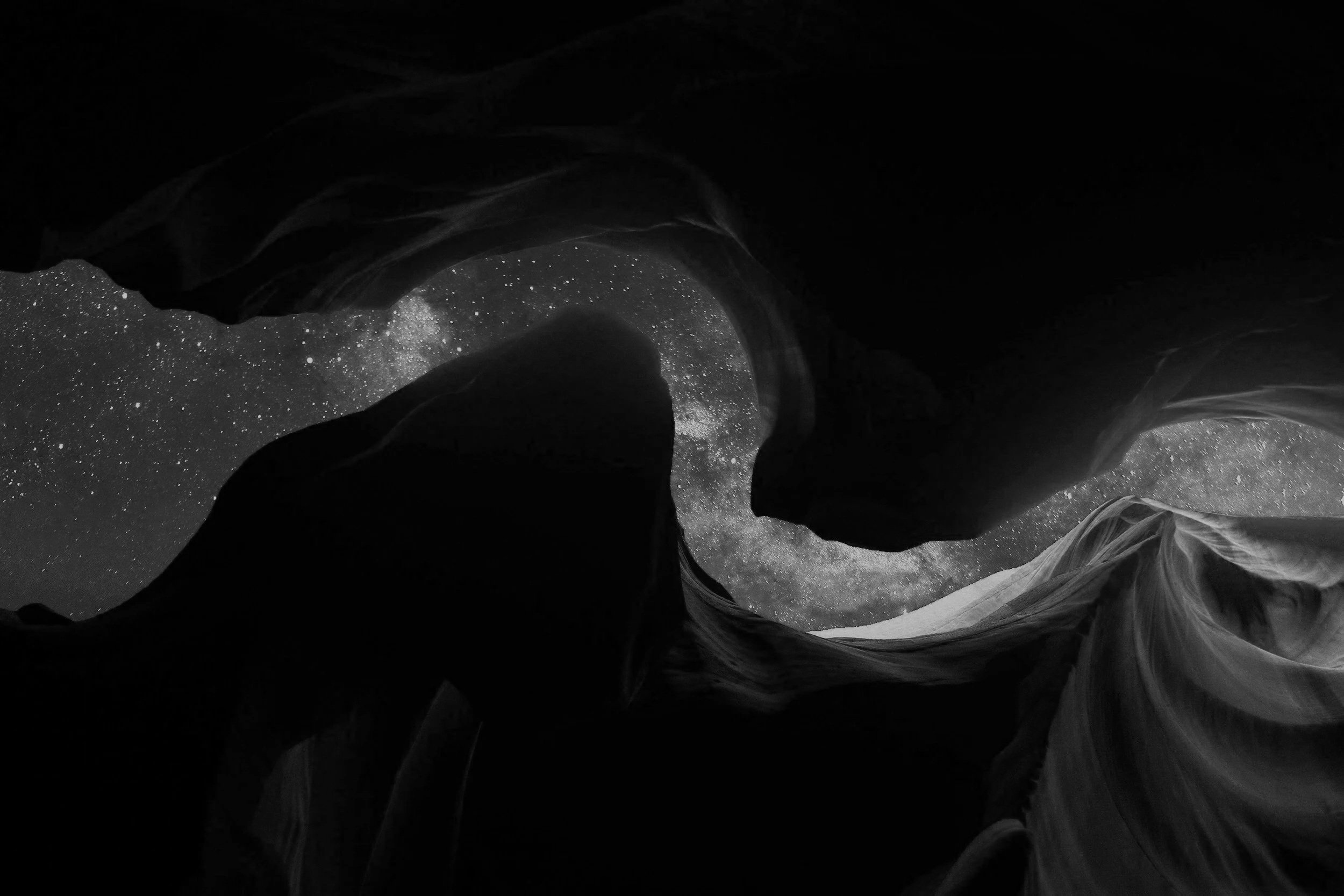
Rewilding the Psyche
Rewilding isn’t just an ecological act; it’s psychological. To rewild the psyche means to let instinct lead again. To listen for the symbolic over the literal. To honor the mysterious rather than conquer it.
When we befriend the unconscious, we stop fearing its power. We recognize that the storms, floods, and fires within us are part of the same sacred system that governs all of life — destroying only what no longer serves us.
Practices for Entering the Inner Wilderness
Dream Tracking: Record your dreams as if you were tracking animals — noticing patterns, symbols, and recurring archetypes.
Active Imagination: Dialogue with figures that appear in dreams or fantasies; let them speak through art, writing, or movement.
Ritual with the Dark: Honor cycles of endings — grief, loss, transition — as necessary parts of your psychic ecosystem.
Time in Nature: Let the forest, ocean, or night sky remind you that your inner wilderness belongs to a larger one.
When we tend to our inner wilderness, we restore more than personal balance — we repair our relationship with the wild world itself. Because psyche and planet are not two. They breathe the same breath. And both are calling us back to reverence, to surrender, to the regenerative intelligence of decay.
Read next → Rewilding the Sacred: Remembering Spirit Beyond Religion
How spirituality became domesticated — and how to return to direct communion with the living world.