Skill, Mastery, and the Wild Mind
We live in an age of shortcuts. Instant expertise, quick hacks, algorithmic applause — a culture that celebrates visibility over depth, speed over substance. But beneath the noise, something ancient in us aches for craft — for the slow, steady devotion that mastery demands.
Mastery is not about status. It’s not about collecting credentials or climbing ladders. It’s a form of participation — a way of being in direct relationship with the living world. When we give ourselves to a skill — whether it’s writing, tending soil, forging metal, or holding space for another’s grief — we are drawn out of abstraction and back into contact with reality.
The wild mind thrives in that contact.
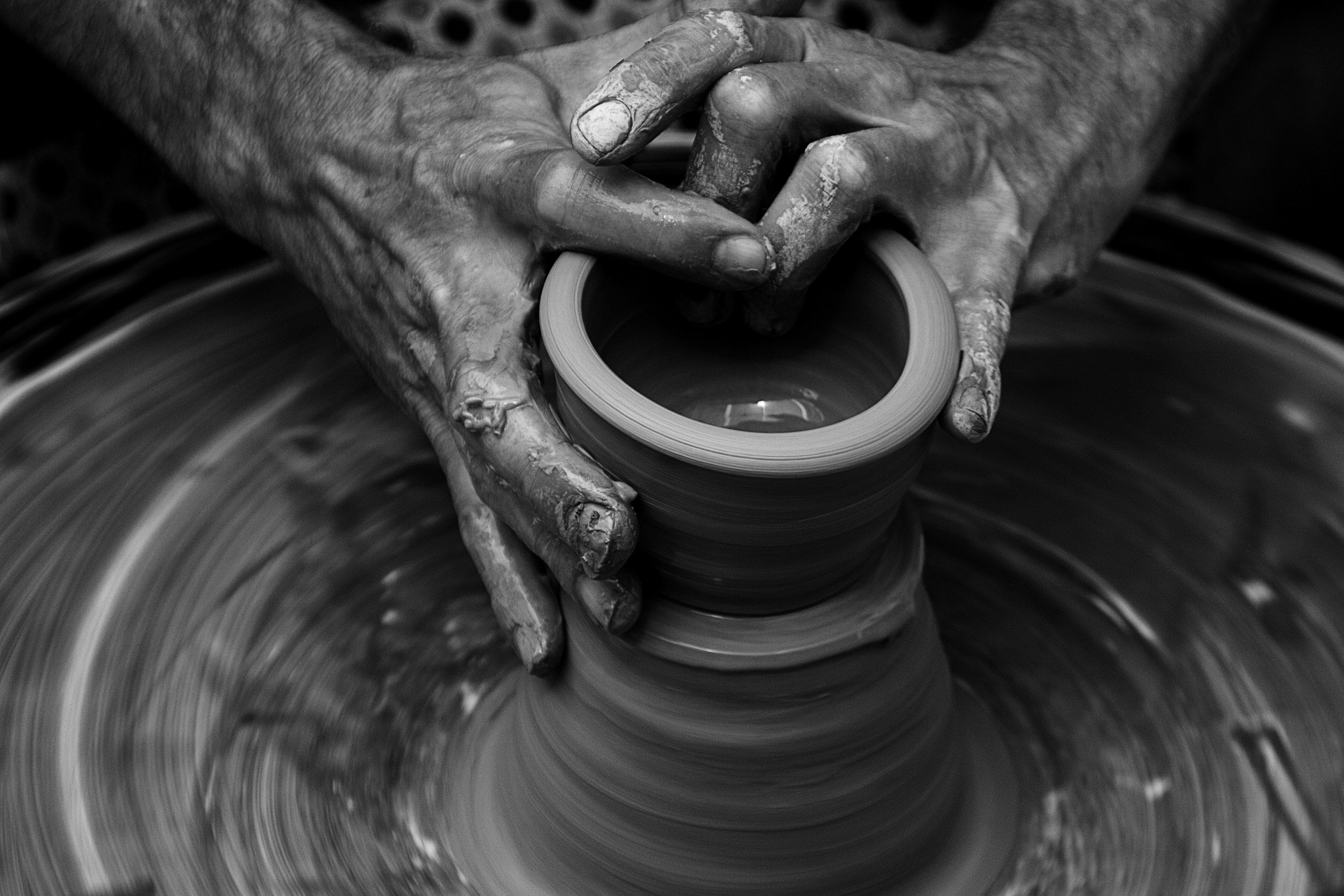
The Path of Depth in a Shallow World
Skill is a kind of intimacy. It asks us to stay. To return again and again to the same task, the same edge of difficulty, the same unglamorous repetition that refines perception and patience.
The modern world teaches us to skim: to know a little about everything, to multitask our way through life. But depth — the devotion to one thing — opens a door to something wilder. It reawakens our senses, slows time, and makes space for meaning to return.
When you truly practice something, it changes you. It shapes the body, the nervous system, the psyche. You begin to feel time differently — not as something to manage, but as something to inhabit.
This is the paradox of mastery: you don’t pursue it to become special. You pursue it because, through it, you become real.
The Wild Mind as Craftsman
The wild mind — the part of you that remembers how to listen, to attend, to make — does not care about your job title. It cares about aliveness. It wants your hands in the clay, your attention attuned to the smallest detail.
Every craft, at its heart, is a form of prayer. It’s how the human animal says thank you to the world: by shaping, refining, honoring, giving back beauty and usefulness. The blacksmith doesn’t just make tools; they make relationships with fire and metal. The poet doesn’t just write; they translate between worlds. The healer doesn’t just mend; they commune with the mystery of repair.
Mastery is the soul’s way of remembering that we belong to something vast and participatory — that we are not consumers of the world, but collaborators with it.
Skill as a Way Back to Purpose
In a society obsessed with results, skill reorients us toward process. It humbles the ego and feeds the spirit. You can’t fake precision, or patience, or presence — these must be cultivated through time and failure.
And that’s the hidden gift: mastery isn’t just about what you make. It’s about who you become in the making.
When we choose to practice deeply — to apprentice ourselves to something — we rediscover purpose not as a destination, but as an ongoing relationship with becoming. The tool sharpens us as we sharpen the tool.
In a world built on distraction, mastery becomes rebellion. It’s a way of saying: I will not be shallow. I will give myself depth.
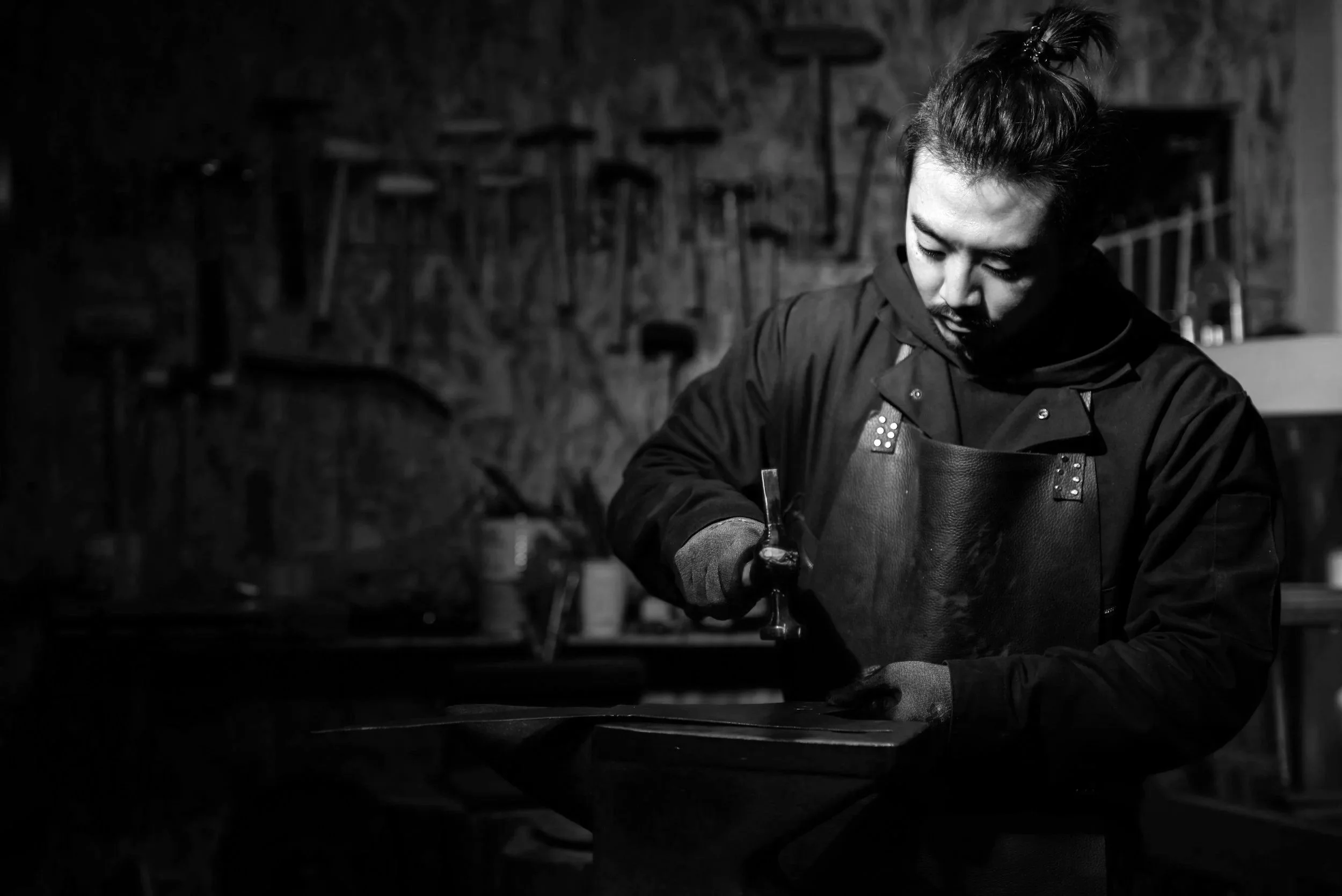
Remembering Craft as Sacred
When we return to skill, we return to our soul. Craft steadies the hands and the mind; it restores rhythm to our days. It reminds us that attention — not achievement — is the real currency of meaning.
And so, perhaps the invitation is this: Find the thing you love enough to do badly at first. Stay with it long enough to learn its seasons. Let it humble and shape you. Let it teach you to belong again — not through status or title, but through the quiet grace of doing one thing well.
This is the way of the wild mind: not to conquer, but to collaborate. Not to perform, but to participate.
Depth is devotion. And devotion, in the end, is the most radical skill of all.
To remember who you are beyond performance, explore The Work-Identity Split: Who Am I When I Stop Doing? — a companion piece on how modern culture equates productivity with value, and how to reclaim identity, rest, and presence beyond the grind.