Attention as an Act of Love: Reclaiming Your Focus in the Attention Economy
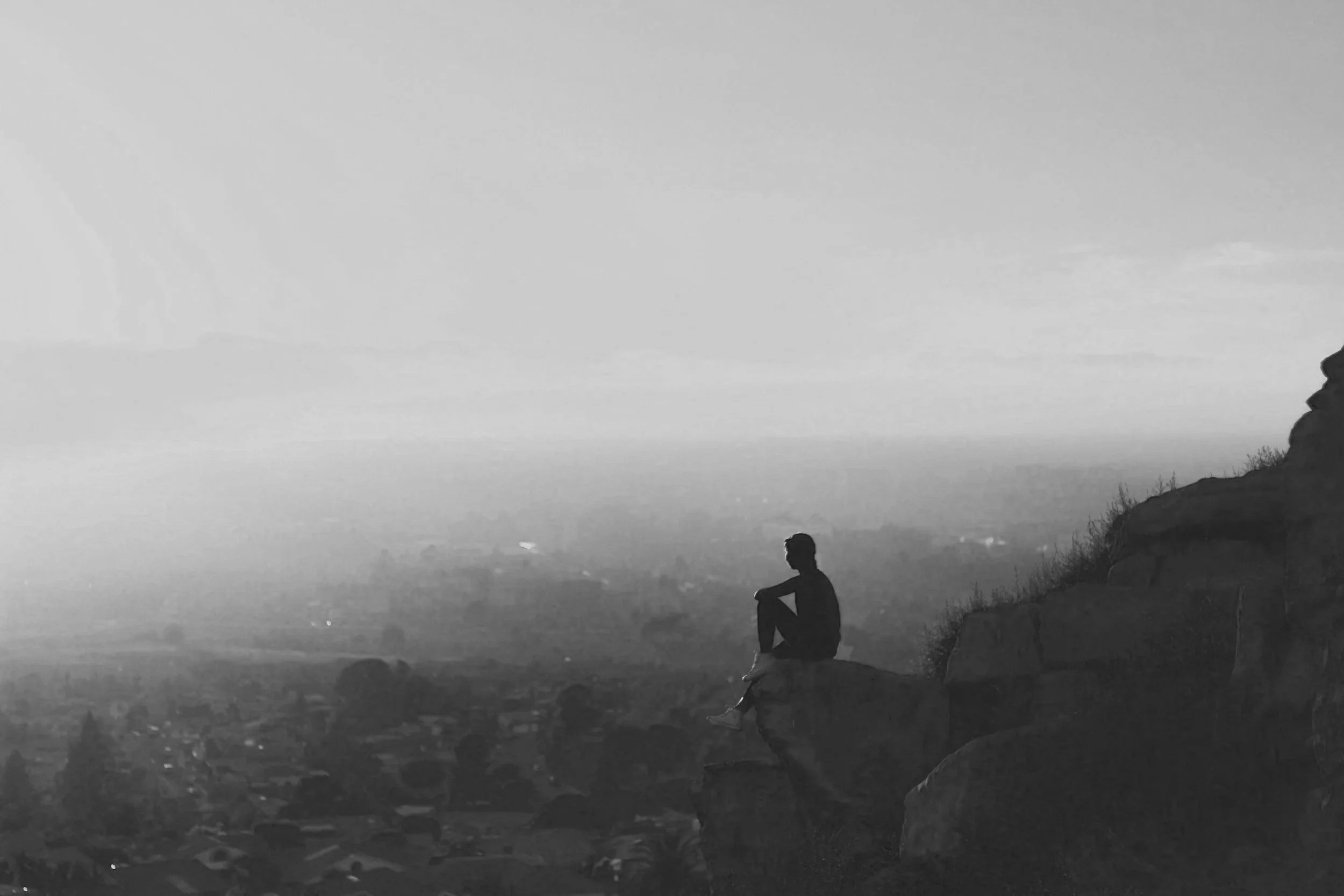
There was a time—so the old myths say—when human attention was a sacred thing. A temple flame. A whisper from the gods. Now it's an auction item, sold to the highest bidder with a catchy jingle and a dopamine dispenser the size of a thumb.
We used to gather around fires. Now we gather around notifications. Same ritual, different altar, wildly different priests.
The attention economy has turned our focus into a commodity—the spiritual equivalent of a Black Friday doorbuster deal. And we, poor feral-hearted creatures, wander through this neon-lit bazaar handing out our awareness like samples at Costco. Click here. Scroll there. Irritated but obedient. Pacified but overstimulated. Wild at our core but domesticated in practice.
But attention—true attention—isn’t just a mental resource.
It is an act of love. A form of devotion. A declaration of what we consider worthy.
And when we reclaim it, we begin the long, delicious process of coming back to ourselves.
Your Focus Has Been Monetized (Don’t Take It Personally—It Happens to Everyone)
Tech platforms didn’t ruin us. They just industrialized what advertisers always knew:
A distracted human is a profitable human.
You don’t buy what you genuinely want.
You buy what you’ve been made too tired to say no to.
Our minds—evolution’s masterpiece—weren’t designed to sift through 3,000 ads a day, nor to maintain vigilance against every red-dot notification designed to mimic the urgency of a predator attack.
No wonder everyone is exhausted.
No wonder everyone is overwhelmed.
No wonder we mistake overstimulation for being “informed.”
Our cognitive bandwidth is being siphoned off by machines that know our habits better than we do.
But here’s the dangerous truth (dangerous to them, liberating to you):
When you reclaim your attention, you reclaim your intelligence.
You reclaim your discernment.
You reclaim the ability to question, “Why?”
And nothing terrifies a system built on unconscious compliance more than a human who thinks for themselves.
Attention Is What Keeps Us Alive
Ask any animal: attention is survival.
If you stop paying attention in the wild, you get eaten.
If you stop paying attention in the modern world, you get…
…well, you get subscriptions, debt, misinformation, and chronic stress, which is just a slow, bureaucratic form of being eaten.
But presence is more than survival. It’s connection.
When you pay attention:
You actually notice the people you love.
You hear things unsaid.
You catch the flicker in someone’s eyes that means “stay” or “run.”
You sense meaning underneath the noise.
You feel the world again—your body, your instincts, your animal knowing.
Attention restores intelligence—the kind that isn’t taught but remembered.
The kind you were born with before algorithms tried to overwrite it.
Attention Is How We Love
Think about it:
Your child tugs your sleeve—what do they want?
Your partner tells you a story they’ve told before—what are they seeking?
Your friend sends a long text—what are they really asking for?
Presence.
Witnessing.
The unspoken warmth of “I see you.”
We equate love with grand gestures, but most real love is microscopic:
Looking someone in the eyes.
Noticing the weather of their mood.
Listening without rehearsing your response.
Being here—fully here—when it’s easier, faster, or more entertaining to disappear.
Attention is the smallest and most radical unit of love.
Reclaiming Attention Is Reclaiming Sovereignty
When you reclaim your attention, you reclaim your life.
Not metaphorically. Literally.
You begin to ask questions like:
Who benefits from my distraction?
Who profits from my exhaustion?
Who gains when I distrust myself?
Who is fed by my fear?
Who thrives when I remain too busy to think?
These questions are subversive, dangerous, FERAL.
They are the questions of someone who has stopped grazing on the algorithm’s feed and has remembered that they are a predator of truth, a tracker of meaning, a creature born to sense, evaluate, and know.
Your attention, once reclaimed, becomes a weapon.
A compass.
A lantern in the dark.
A refusal to be farmed.

Becoming FERAL Again
Feral doesn’t mean chaotic or unhinged (though a little unhinged can be fun).
FERAL means:
Self-possessed
Self-sourced
Plugged into reality rather than its digital replica
Rooted in instinct, not influenced into obedience
Alive to the moment instead of lost in someone else’s agenda
FERAL humans don’t outsource their awareness.
They don’t give their sacred attention to anything unworthy of devotion.
They choose what they notice, and in choosing, they reclaim their wildness.
Because the opposite of distraction isn’t productivity.
It’s presence.
And presence is where both love and power live.
Attention Is a Love Letter to Life
Every time you look up from the screen…
Every time you breathe deeply and return to now…
Every time you choose connection over consumption…
You are saying:
“I am here. I am awake. I am not for sale.”
This is devotion.
This is rebellion.
This is what it means to be FERAL in a culture that wants you tame, numbed, and endlessly scrolling.
And it begins with a simple, radical act:
Pay attention.
If this stirred something awake in you, take it further: read “The Purpose of Life? To Own Your Mind Before Someone Else Does.” Your freedom begins where your attention returns home.