The Wild Home: Designing Spaces that Regulate the Nervous System
Your home is not a set of walls. It is a creature. A biome. A nervous system outside your body that - if designed with intention - whispers you back into coherence every time the world tries to scatter you into pixels.
We’ve forgotten this. Modern architecture often feels like it was built by someone who has never had a body — rooms shaped for resale value, not respiration. Corners that don’t understand circadian rhythm. Lighting that assaults the pineal gland. Furniture that looks good on Instagram but makes your spine file a formal complaint.
But the Wild Home… she remembers.
The Wild Home is not a lifestyle trend. It's a biological rebellion. It’s a den built in collaboration with your nervous system, a place that doesn’t just look “aesthetic” but communicates to your physiology: You are safe. You can unclench. You can return.
Let’s design that.
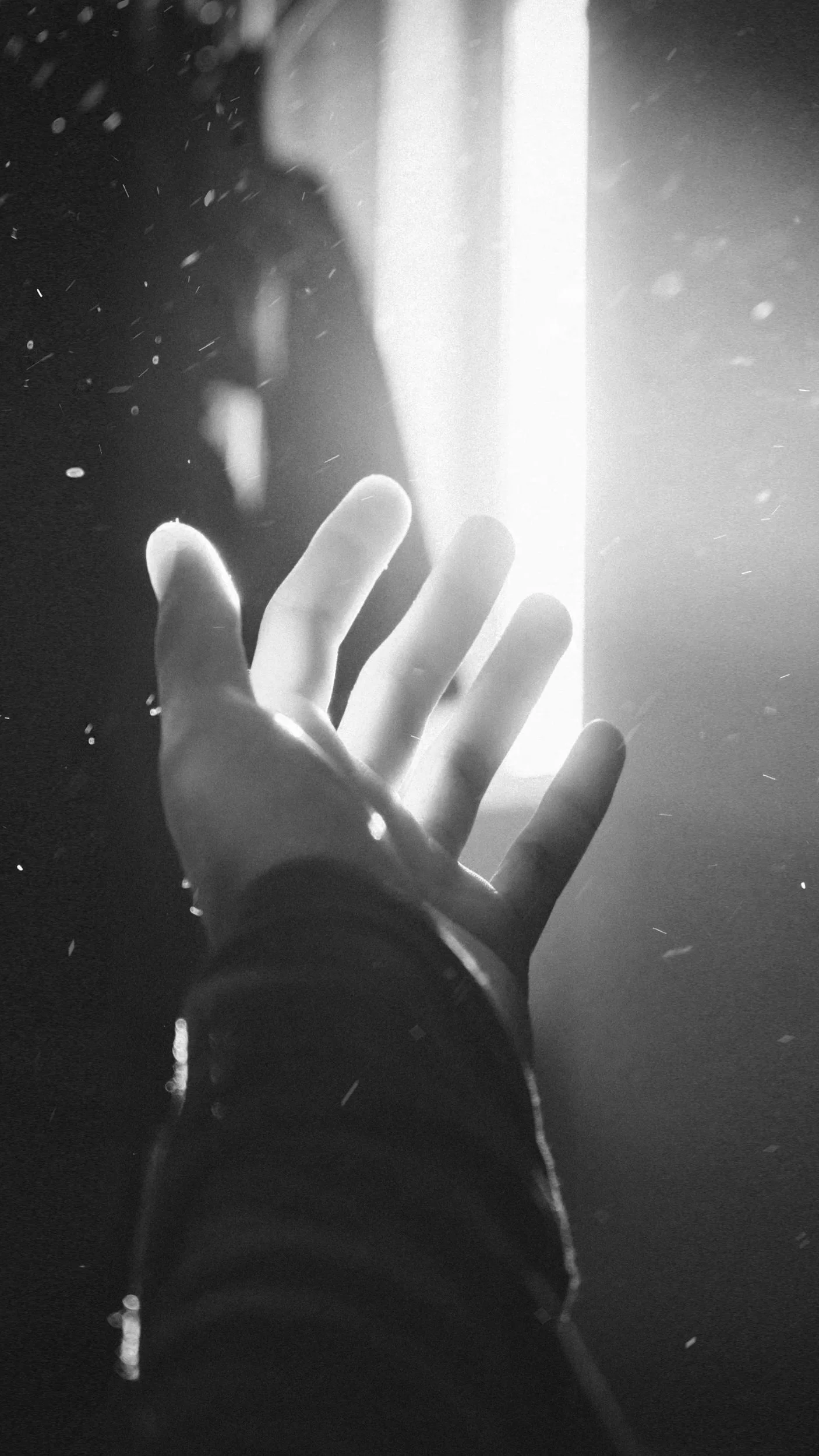
Light: The First Language Your Body Speaks
Forget overhead LEDs blasting down like interrogation lamps. The body trusts gradients—sunrise, dusk, candlelight, shadows that soften the edges of existence.
Wild Home lighting rule: Layer, dim, warm, flicker. Salt lamps, low bulbs, amber hues, windows unobscured, morning light welcomed like a lover climbing back into bed.
Biology doesn’t care if it “matches the decor.” Biology wants something older than that: rhythm.

Materials That Remember They Came From the Earth
Your nervous system is primitive. It recognizes wood grain. It recognizes clay, wool, linen, stone. It can feel when something once belonged to a living ecosystem rather than a petrochemical lab.
When you sit on a synthetic couch, your body knows. When you touch a wooden table, your body knows.
The Wild Home doesn’t need to be expensive — just textured, honest, and alive.
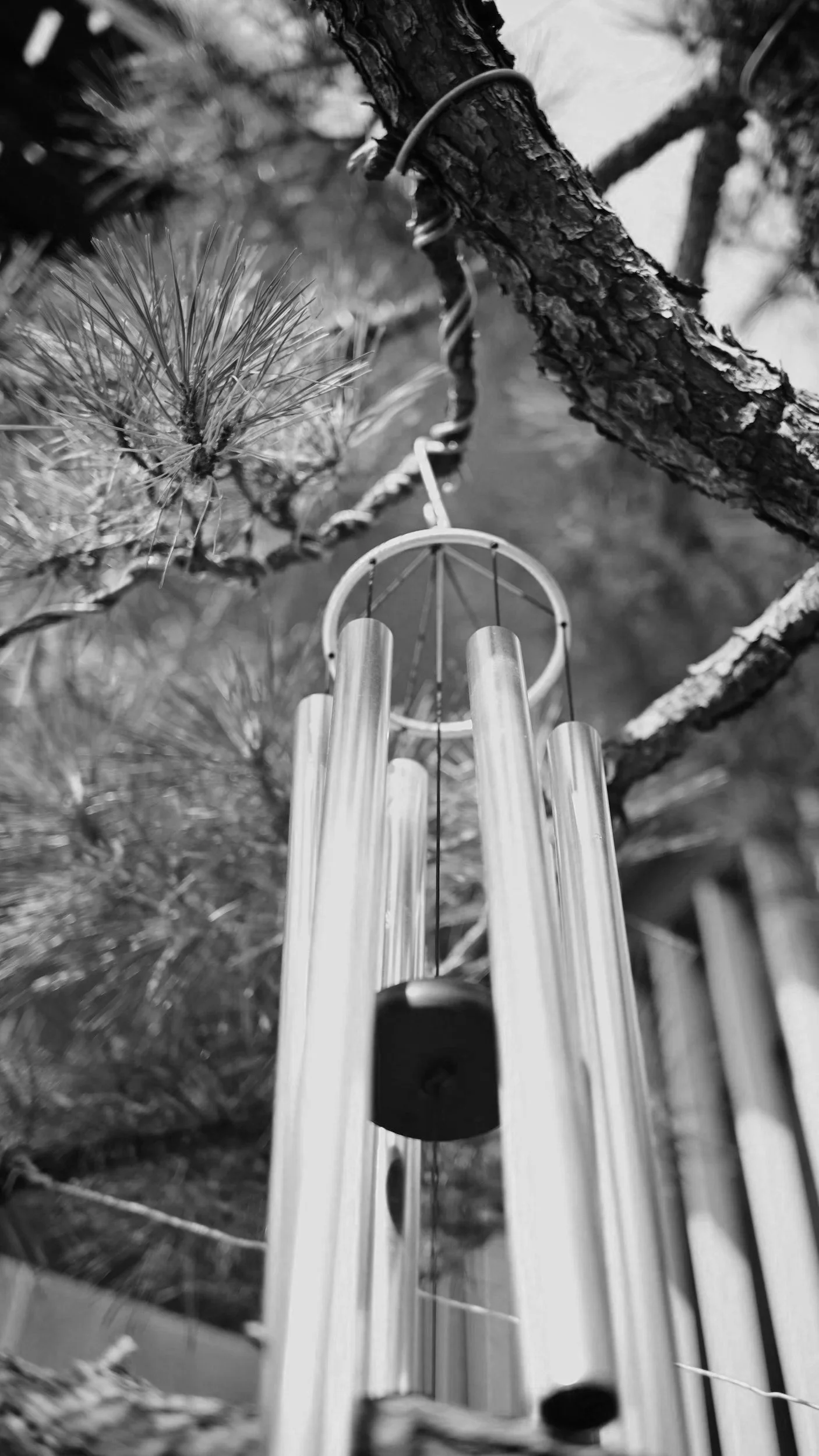
Soundscapes That Hold You
Most homes hum with the quiet anxiety of modernity—refrigerators muttering to themselves, HVACs exhaling like overstimulated beasts, neighbors stomping around like they’re reenacting a buffalo migration.
But you can curate sound the way you curate scent.
Think:
soft playlists that sound like moss growing
white noise that mimics rainfall
open windows that remember the wind
silence—yes, the endangered species—protected like an heirloom seed
Your nervous system calibrates to what it hears. Choose wisely.
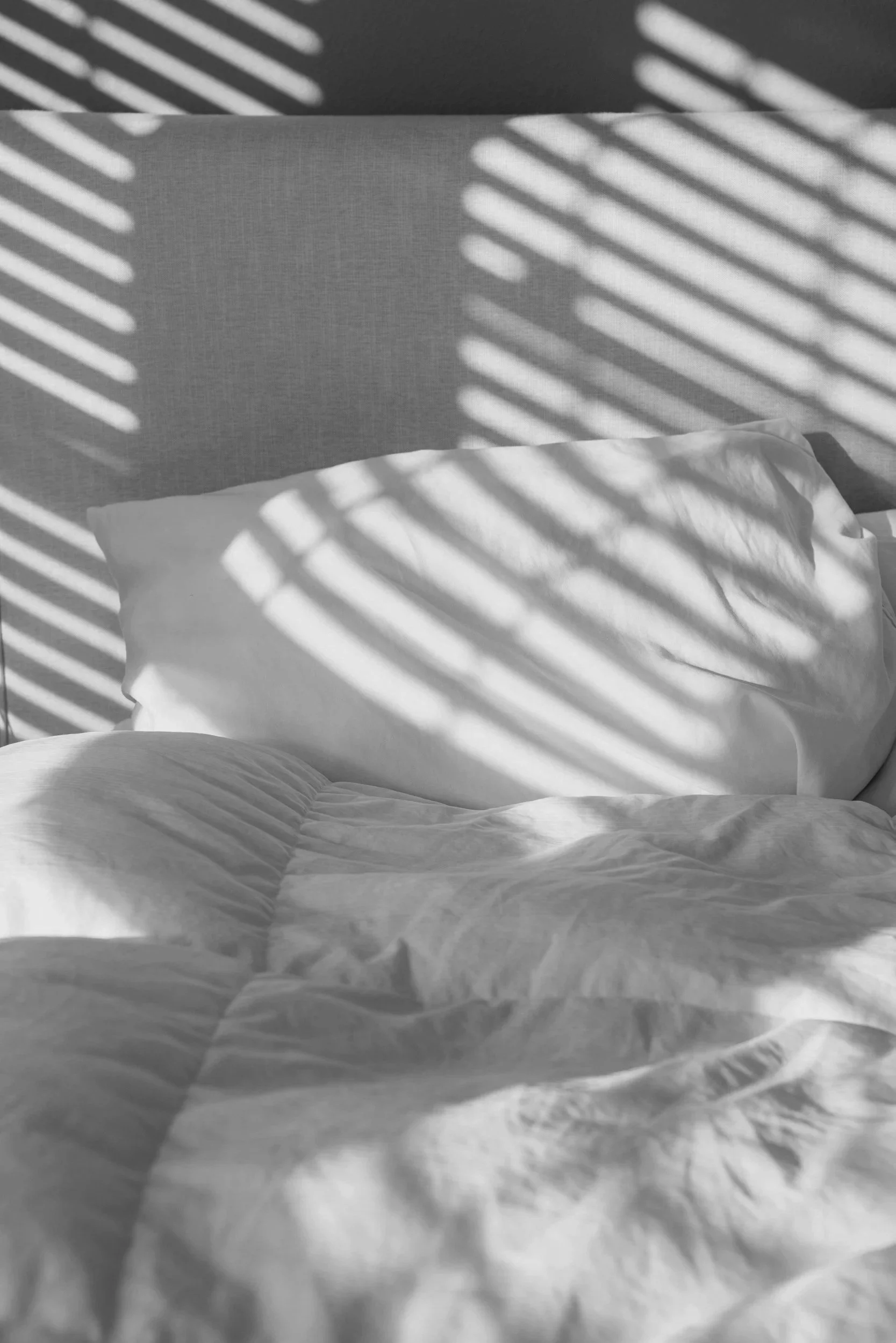
Creature Comforts: Yes, You Are the Creature
Plants count. Pets count. Soft blankets count. Your inner animal needs signals that the den is safe and abundant.
Every time you prioritize primal comfort, you reclaim a little of the self-domestication wound we’ve all inherited.
Your home should not impress strangers; it should soothe the mammal in you.
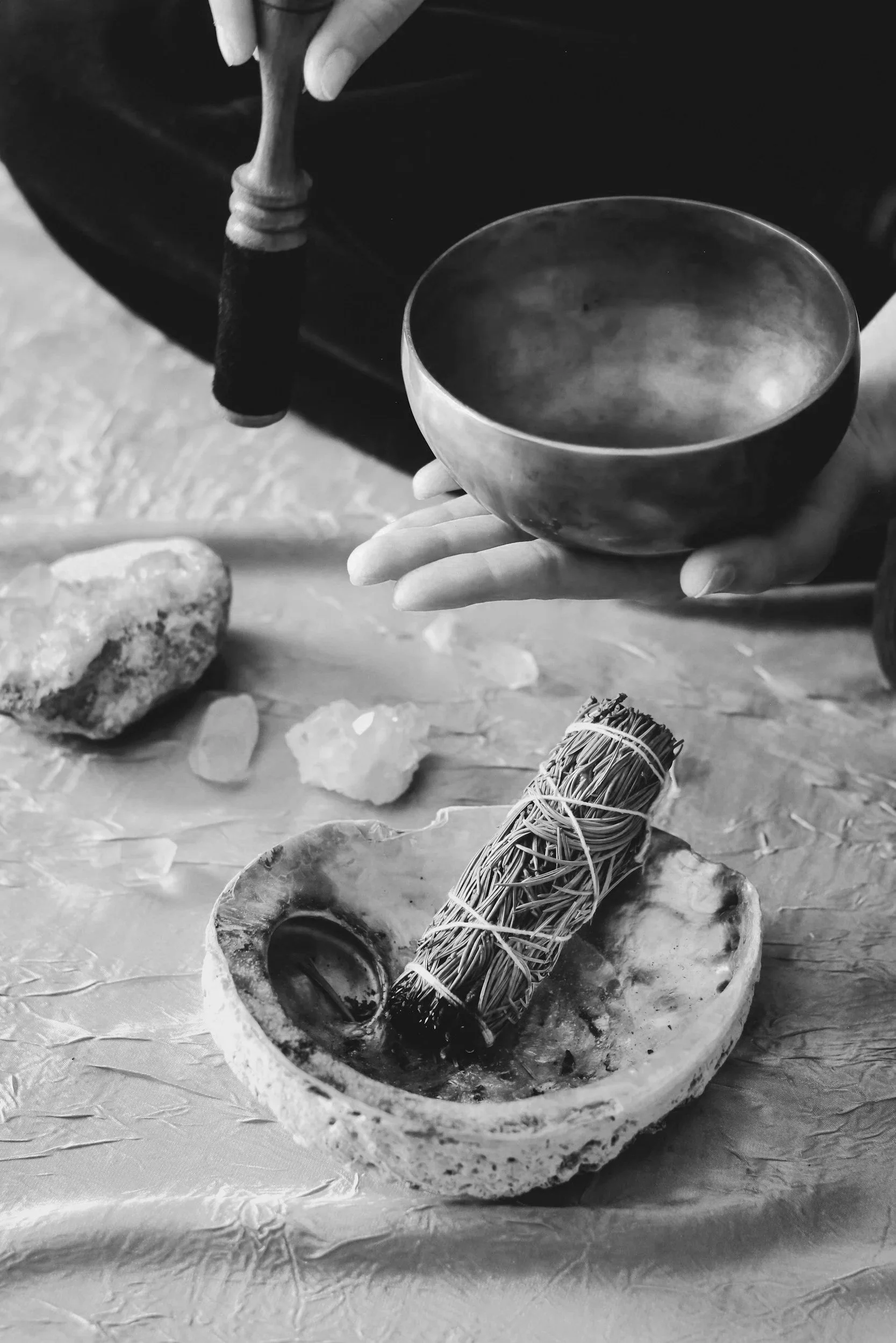
Ritual Architecture
Wild Homes aren’t just decorated; they’re choreographed.
Small altars. Tea corners. A reading nest. A stretching patch of floor that always invites your spine to lengthen and your shoulders to drop.
These micro-habit environments turn your home into a partner in your wellbeing—an ecosystem that nudges you toward regulation without discipline, guilt, or internalized productivity propaganda.
The Home as Nervous System Mirror
If your space is chaotic, it’s not a moral failing — it’s a message.
Your environment reflects your internal state. And here’s the magic: changing your environment can change your internal state back.
You don’t need a renovation. You need relationship.
Ask your space: What would make you breathe easier? What would make you return to your body? What would make you feel wild again in the “my biology and my environment are finally on speaking terms” sense?
Then adjust accordingly.
The Feral Truth
We don’t heal in emptiness. We heal in environments that remember the instincts we’ve been trained to ignore.
A Wild Home is not curated - it’s reclaimed. It’s where your nervous system stops bracing for attack and starts remembering how to be a living thing. And in a world that monetizes your dysregulation, this might just be the most revolutionary design choice you ever make.
If this sparked something in you, wander next into Reciprocity Over Sustainability, where we explore why true harmony with the world comes not from minimizing impact—but from entering a living conversation with the Earth herself.