The Quick-Fix Illusion: Why Surgery Can’t Save Us From the Work Our Bodies Crave
There’s an unspoken faith in our culture — a belief whispered between glossy before-and-after photos — that the body is a machine, and machines can simply be repaired. Tighten a bolt. Remove a piece. Re-route a tube. Shrink a stomach.
Instant salvation.
Amen.
We’ve normalized it: the carving, the cutting, the fast-forward button on transformation. We’ve made the scalpel a shortcut to a life we’re too exhausted, too overwhelmed, too defeated, or too distracted to earn.
But here’s the feral truth — the one with dirt under its nails: Surgery doesn’t teach you hunger. It doesn’t teach you satiety. It doesn’t teach you discipline, or reverence, or how to crawl back into relationship with your own animal body.
It only puts a sterile, fluorescent-lit bandage on a wound that is spiritual, behavioral, ancestral, and ecological.
And oh, it is a lucrative bandage.
The Statistics — The Part Where The Modern World Quietly Admits “The Fix Does Not Fix”
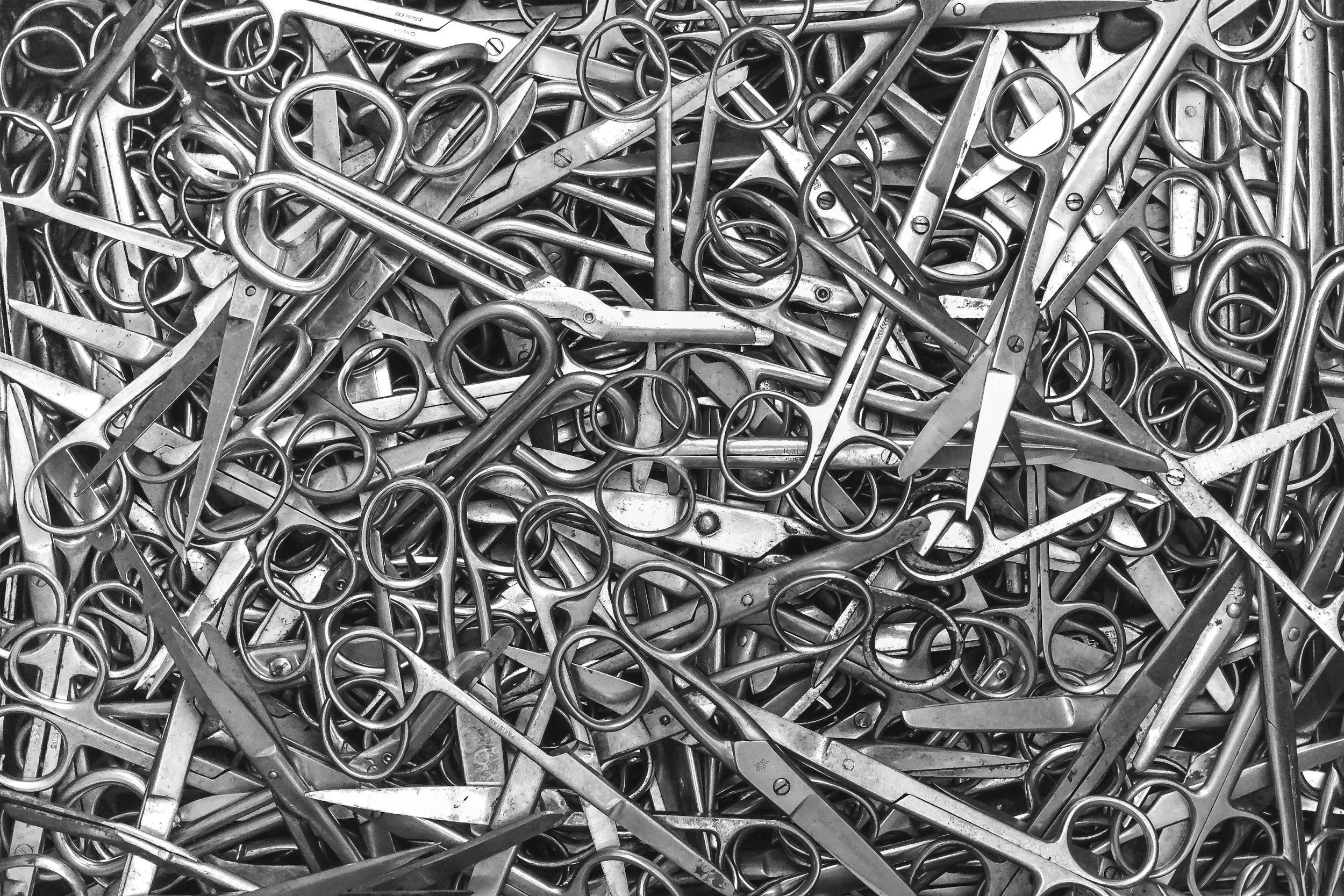
For all the shiny brochures and recovery selfies, the numbers smell like something rotting under the floorboards:
Revision surgery has become the third most common bariatric procedure in the U.S. (Not the first surgery — the fix of the fix.)
About 27.8% of those who underwent old-school banding or similar procedures needed additional surgery over the next 20 years.
And across studies, roughly 5–15% of all weight-loss surgery patients find themselves back on the table — again — either to reverse, revise, or repair.
When nearly a third of people must return for more, we stop calling it a “solution” and start calling it what it is: cosmetic crisis management.
It’s the equivalent of duct-taping a sinking boat while insisting you’re “basically a shipbuilder now.”
The Cost — Because The Body Isn’t Even The Most Expensive Part
A typical procedure runs $17,000–$26,000 before you even look at follow-ups, complications, supplements, or the emotional damage of discovering your “new life” still has your old habits inside of it.
And insurance?
It behaves like a trickster god with a clipboard — approving, denying, bargaining, retreating, demanding documentation that borders on theological trial:
Prove you’ve suffered enough.
Prove you’ve tried hard enough.
Prove your BMI has sinned sufficiently.
But even when surgery is “covered,” the aftermath rarely is. Revisions, nutritional crises, mental-health fallout, regained weight — those are on you.
The system hands you a bill, then shrugs:
“Well. Transformation is expensive.”
The Root Of The Root: What Surgery Cannot Touch
Surgery can remove a piece of your stomach.
It cannot remove the part of you that eats to soothe the unbearable.
It cannot unteach the habits wired during childhood.
It cannot repair your relationship with movement, rest, stress, rhythm, nourishment.
It cannot rewild your instincts.
The truth is feral, inconvenient, and wildly unmarketable:
You cannot outsource the work.
You cannot subcontract your healing.
You cannot expect your body to become wise through someone else’s blade.
The cut is quick.
The change is not.
And when people regain weight — as so many do — they think they have failed.
But it was the fantasy that failed.
The fantasy of a shortcut through a forest that demands you walk, sweat, struggle, learn, grow.
The Culture Of “I Want To Change, But I Don’t Want To Change Anything”
We want transformation without inconvenience.
Discipline without discomfort.
Health without having to rethink a single ritual of comfort or consumption.
We want the result, not the relationship.
The look, not the lifestyle.
The healed body, not the embodied life.
And society encourages it — because a person who learns to feed themselves well, move well, rest well, listen deeply to their body, and honor its rhythms?
That person cannot be sold false solutions.
That person is unprofitable.
That person is uncontrollable.
No wonder the world tries to make the scalpel sound like a spiritual awakening.

The Ferally Honest Path
This isn’t about shaming surgery — for some, it is life-saving.
It’s about shaming the lie.
The lie that you can cut your way around the work.
The lie that the body is a machine instead of a wild creature asking you to listen.
The lie that health comes from an operating room rather than a lifelong ritual of care, nourishment, and devotion.
Because here’s the truth that crouches in the dark, waiting to be remembered:
Your body is not broken.
Your habits are.
Your culture is.
Your exhaustion is.
Your coping mechanisms are.
But those can be rewired, relearned, slowly, honestly, rhythmically — the way nature heals: over time, with intention, with practice, with patience, with presence.
The real fix isn’t fast. It’s feral.
And it’s the only one that lasts.
If this made your blood boil, welcome home. We invite you to read next: “The Business of Sickness: Why the System Profits From You Being Ill.” Because the quick fix is only the bait — the real trap is the industry built on keeping you unwell.