Food as Resistance: Eating for Sovereignty, Not Control
In a world obsessed with control — calories, macros, meal plans, “clean” eating — food has become another battlefield in the war against our own bodies.
We measure, restrict, and moralize what we eat, chasing purity instead of presence. But what if the real rebellion isn’t about control at all — what if it’s about sovereignty?
To eat with sovereignty is to reclaim food as a relationship, not a rule. It’s to remember that nourishment is not a performance of worthiness, but a practice of belonging.
Every bite can be an act of resistance — a refusal to let systems of profit and perfection dictate how we connect with the Earth that feeds us.
The Colonization of Appetite
Modern food culture is steeped in control — from industrial agriculture to wellness fads that promise salvation through restriction.
We’ve been taught to mistrust our hunger, to suppress our instincts, to label foods as “good” or “bad.”
But this isn’t liberation — it’s assimilation.
Control-based eating mirrors the same forces that severed humans from land in the first place.
Colonial systems taught us to dominate — to extract from soil, from animals, from ourselves — and to call it progress.
The wellness industry repackages that same logic, selling obedience disguised as “discipline.”
The result? A population that is well-fed but deeply malnourished — not just in body, but in spirit.
Rewilding the Table
Rewilding how we eat begins with listening. To the seasons. To the soil. To the signals within your own body.
It’s a quiet defiance — refusing to let algorithms, influencers, or industrial supply chains dictate what’s “right” for you.
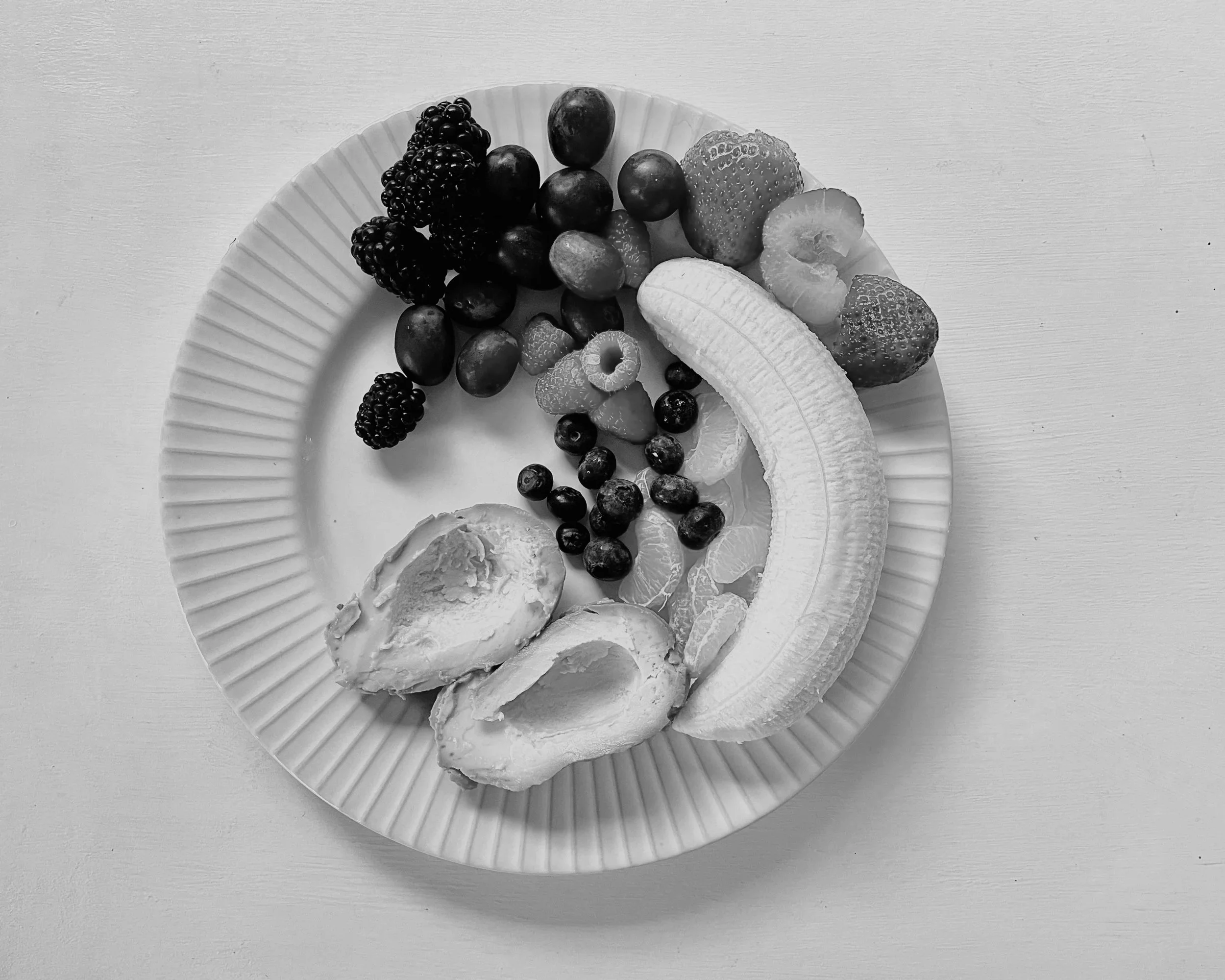
When we eat real from the Earth — foods that grow in sunlight and soil, not factories and labs — our bodies recognize them. Whole plant foods naturally nourish and satisfy us. We don’t need to count calories, restrict portions, or go hungry. Plants fill us up with fiber, minerals, and energy that sustains rather than spikes. Processed foods, on the other hand, disconnect us from that wisdom — leaving us inflamed, tired, and hungry for something deeper. Real foods don’t need labels. Real foods are one ingredient. They remind us that simplicity is intelligence.
Rewilded eating might look like:
Choosing local or foraged food over factory-farmed abundance.
Cooking slowly, without measuring, letting intuition guide your hands.
Eating with your hands, barefoot in the grass, reconnecting ritual with nourishment.
Saying no to the guilt that’s been sold to you as “health.”
To rewild your plate is to step back into rhythm with the living world — not as a consumer, but as a participant.
Sovereignty as a Daily Practice
Food sovereignty isn’t just about where your food comes from — it’s about you deciding how you nourish yourself, and trusting your own intuition to do so.
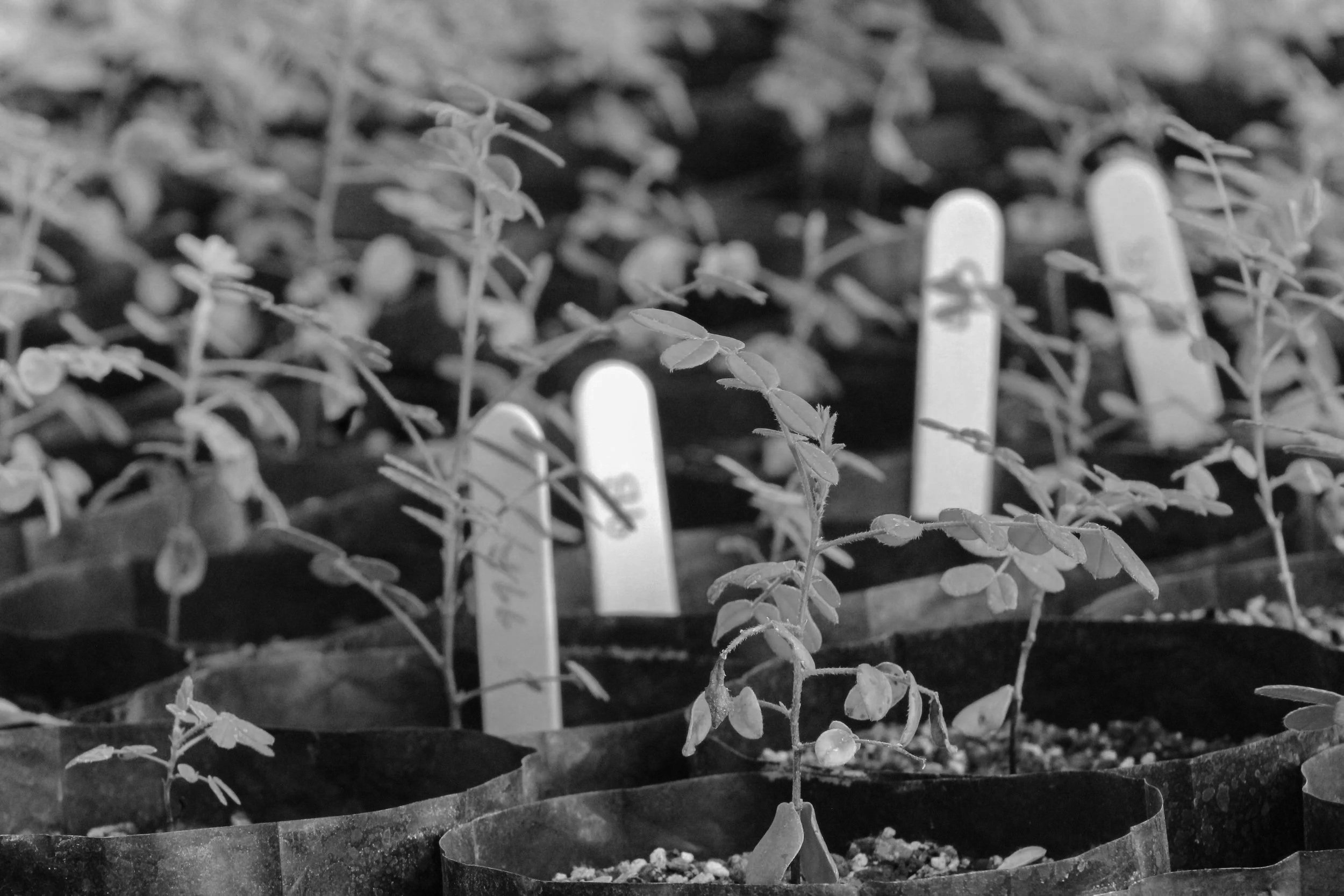
It’s saving seeds instead of buying them and growing produce from your own yard, balcony, or windowsill. It’s baking bread instead of buying it.It’s cooking meals at home for the majority of the time, and treating dining or ordering out as an occasional practice instead of the standard one. It’s intuition over ideology.
Every act of eating can be a political act — not through fear, but through freedom. Because to feed yourself on your own terms is to break a quiet chain. Not perfection, just participation.
It’s remembering that your body already knows what sustains it — if only you listen.
The Revolution is Sensual
To eat with sovereignty is to return to pleasure — to let flavor, texture, and ritual be sacred again.
Pleasure is a language of the wild. It softens control. It roots us back into our animal selves — curious, alive, awake.
When you bite into something grown with care, cooked with intention, eaten with reverence — you are part of an unbroken lineage of resistance.
Because true wellness is not about control. It’s about remembering that you belong — to the land, to your hunger, to yourself.
Ready to go deeper? Explore more truths, practices, and tools for living FERAL by signing up for our newsletter.